
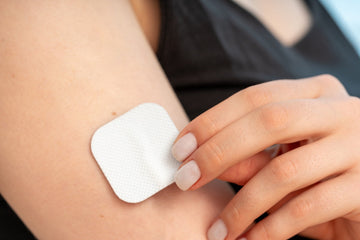
Do GLP-1 patches work? Learn what they contain, what the science actually says, and what truly supports people using GLP-1 medications.
As GLP-1 medications become more widely used for metabolic health and weight management, interest in needle-free alternatives has surged. Patches marketed as “GLP-1 support” promise convenience and simplicity, but their claims often outpace the science.
Let's take a clinically grounded look at GLP-1 patches, including how GLP-1 medications work in the body, what most patches actually contain, why transdermal delivery is a major scientific hurdle, and what evidence-based options truly support people using GLP-1 medications today.
What this article covers:
- Why GLP-1 Patches Are Trending
- Do GLP-1 Patches Actually Work?
- What GLP-1 Medications Actually Do In The Body
- What Are “GLP-1 Patches” Made Of?
- Why A True GLP-1 Patch Is Unlikely To Work Right Now
- Are GLP-1 Patches Safe?
- Signs A GLP-1 Patch Brand Might Be Misleading
- What Actually Supports People Using GLP-1 Medications
Why GLP-1 Patches Are Trending
GLP-1 medications have reshaped conversations around appetite regulation and long-term metabolic health.
As more people experience reduced hunger and smaller portions on these medications, they also begin looking for solutions that feel less invasive or more affordable.
Patches are often positioned as passive, “set it and forget it” tools. For people managing nausea, early satiety, or busy schedules on GLP-1 therapy, that messaging is understandably appealing. However, ease of use does not guarantee physiological effectiveness.
Understanding the difference between convenience and biological plausibility is essential before trusting any GLP-1 patch claim.
Do GLP-1 Patches Actually Work?
From an evidence-based standpoint, the answer remains no.
Currently available over-the-counter GLP-1 patches have not been shown to deliver GLP-1 or produce the same metabolic effects as prescription therapies. Most patches do not contain GLP-1 receptor agonists such as semaglutide or tirzepatide.
Without delivering those molecules into systemic circulation, a patch cannot engage the GLP-1 pathway in a meaningful way.

A Clear Verdict Based On Current Evidence
To date, there are no peer-reviewed human trials demonstrating that consumer GLP-1 patches activate GLP-1 receptors, support clinically meaningful appetite changes, or influence blood sugar through the same mechanisms as prescription medications.
What Most GLP-1 Patches Are, And Aren't
Most products sold as GLP-1 patches are dietary supplements. They may include nutrients or botanicals associated with general metabolic support, but they are not drugs, and they are not tested as drug delivery systems.
Common Marketing Pitfalls
Claims such as “Ozempic alternative,” “needle-free GLP-1,” or “same results without a prescription” imply equivalence without evidence. These phrases often rely on consumer familiarity with GLP-1 medications rather than validated delivery science.
What GLP-1 Medications Actually Do In The Body
GLP-1, or glucagon-like peptide-1, is a naturally occurring hormone released in response to food intake. It plays a role in appetite signaling, insulin secretion, and gastric emptying.
Prescription GLP-1 medications are engineered to enhance or mimic this hormone's activity in a sustained, predictable way.
GLP-1 receptor activation sends signals of fullness to the brain, slows the rate at which food leaves the stomach, and supports more stable post-meal blood sugar responses.
These effects are dose-dependent and require systemic exposure to the medication.
Why Delivery Method Matters
Injectable and oral GLP-1 medications are designed to bypass natural digestive breakdown and reach circulation intact. Without reaching the bloodstream, the hormone pathway cannot be activated. This is the central challenge for any patch-based claim.
What Are “GLP-1 Patches” Made Of?
Ingredient transparency provides important context for understanding what patches can and cannot do.
Common Ingredients Found In GLP-1 Patches
Most GLP-1 patches contain combinations of herbal extracts, amino acids, minerals, or stimulants. These ingredients may support energy levels or general wellness, but they do not function as GLP-1 receptor agonists.

Why “GLP-1 Support” Is Not The Same As GLP-1 Medication
Supporting metabolic health through nutrition is not the same as altering hormone signaling. Supplements can be formulated to assist nutrient intake, gut health, or metabolic balance, especially when appetite is reduced.
For people using GLP-1 medications, thoughtfully designed options such as GLP1 support supplements help support nutritional adequacy without claiming to replace prescribed therapy. Supplements are designed to complement an overall health plan.
Prescription GLP-1 medications are regulated therapies with defined mechanisms, dosing protocols, and clinical oversight.
Why A True GLP-1 Patch Is Unlikely To Work Right Now
The primary limitation facing GLP-1 patches is biological rather than a lack of innovation.
Delivering a hormone-based medication through intact skin is one of the most difficult challenges in pharmaceutical science, especially when the molecule involved is large and water-soluble.
GLP-1 receptor agonists were designed with these challenges in mind, which is why currently approved medications rely on injectable or highly specialized oral delivery systems.
Patches marketed to consumers today do not overcome the same physiological barriers.
The Skin Is An Effective Barrier By Design
Human skin is not a passive surface. Its outermost layer, the stratum corneum, acts as a highly selective barrier that prevents pathogens and large molecules from entering the body.
GLP-1 medications are peptide-based compounds with relatively high molecular weight and low lipid solubility. These properties make them particularly resistant to passive transdermal absorption.
In practical terms, intact skin blocks these molecules before they can reach circulation.
This is why most medications delivered through standard transdermal patches are small, lipophilic compounds such as nicotine or certain hormones.
GLP-1 receptor agonists fall far outside that category.

Peptide Delivery Through Skin Is Complex
Peptides like semaglutide and tirzepatide are structurally delicate. They can degrade when exposed to heat, light, or enzymes, and they require protection to remain intact until they reach systemic circulation.
Some research teams are exploring microneedle (MN) or microarray patch (MAP) delivery systems designed to bypass the outer skin barrier by creating microscopic channels. These platforms are highly engineered medical devices studied under controlled conditions, often in early-stage clinical trials.
It is important to distinguish these experimental systems from consumer adhesive patches.
Microneedle technologies require precise dosing, validated materials, consistent application pressure, and clinical oversight.
They are not equivalent to over-the-counter patches that rely on passive skin contact.
At this time, no consumer GLP-1 patch has demonstrated that it can reliably deliver an intact GLP-1 medication into the bloodstream in humans.
Evidence Must Precede Adoption
For any delivery system to be considered viable, it must demonstrate three things in human studies:
- Measurable absorption into circulation
- Engagement with the intended biological receptor
- Meaningful, reproducible outcomes.
Consumer GLP-1 patches have not met these criteria.
Without peer-reviewed human data showing pharmacokinetics and downstream effects, claims remain theoretical.
Are GLP-1 Patches Safe?
Prescription GLP-1 medications are required to undergo extensive pre-market testing, including studies on absorption, metabolism, interactions, and long-term safety. Their manufacturing facilities must meet strict pharmaceutical standards.
In contrast, over-the-counter patches are regulated as dietary supplements. They are not required to demonstrate efficacy, and they do not need to prove that their delivery method works as claimed before reaching the market.
This does not automatically make supplements unsafe, but it does mean that consumers bear more responsibility for evaluating product quality and claims.

Why Brand Transparency Is Critical
Transparent brands clearly disclose ingredients, sourcing, manufacturing standards, and intended use. When that information is missing, it becomes harder to assess whether a product aligns with an individual's health plan.
Products that do not disclose testing practices or provide clear contact information should be approached with caution, particularly when marketed for metabolic or weight-related outcomes.
Potential Side Effects And Unknowns
Reported concerns with weight loss patches include skin irritation, contact dermatitis, allergic reactions to adhesives or botanical ingredients, and gastrointestinal discomfort related to absorbed compounds.
Because labeling standards vary, it can be difficult to determine actual ingredient exposure, especially when proprietary blends are used. For people already managing appetite suppression or gastrointestinal changes on GLP-1 medications, this uncertainty matters.
Signs A GLP-1 Patch Brand Might Be Misleading
Certain patterns consistently appear in products that overpromise and underdeliver. These signals do not guarantee a product is unsafe, but they do suggest that claims may not be evidence-based.
Common red flags include:
- Claims that a patch can replace prescription GLP-1 medications without medical oversight
- References to GLP-1 effects without citing human clinical research
- Proprietary blends that obscure ingredient amounts or mechanisms
- Claims that the patches contain GLP-1 active ingredients
Responsible metabolic health products explain what they support, how they fit into a broader routine, and where their limitations are.
What Legitimate Needle-Free GLP-1 Therapy Actually Looks Like
Interest in needle-free GLP-1 options is understandable, and in late 2025, that interest was validated by a major regulatory milestone. As reported by the American Journal of Managed Care, the approval of an oral semaglutide formulation marked the beginning of what many are calling the “oral GLP-1 era.”
In December 2025, the FDA approved the Wegovy® (semaglutide) tablet as the first once-daily oral GLP-1 receptor agonist indicated for chronic weight management in adults with obesity or overweight. The approval followed positive Phase III OASIS trial results and was formally announced shortly thereafter.
The medication became available by prescription in early January 2026, offering a non-injectable alternative to the weekly Wegovy injection.
This approval is important because it demonstrates what legitimate needle-free GLP-1 therapy requires. The Wegovy tablet is not a supplement or a simple reformulation.
It uses advanced pharmaceutical technology to protect the peptide through the digestive tract, facilitate absorption into systemic circulation, and deliver a predictable, clinically effective dose. Its approval followed extensive clinical trials demonstrating safety, bioavailability, GLP-1 receptor engagement, and meaningful weight-related outcomes.
Eli Lilly is also developing oral GLP-1 receptor agonists, including compounds such as orforglipron, which have shown significant weight loss and glycemic improvements in Phase III clinical trials.
In addition, Lilly has reported data suggesting that patients transitioning from injectable incretin therapies to oral GLP-1 treatment were able to maintain weight loss in late-stage studies. Regulatory review for additional oral GLP-1 options is anticipated in the coming years, potentially as early as 2026.
This distinction matters. FDA-approved oral GLP-1 therapies are drugs, not wellness products. They require precise chemistry, controlled dosing, prescription oversight, and rigorous clinical validation.
Consumer adhesive patches marketed as “GLP-1 support” have not demonstrated the ability to deliver GLP-1 medications into systemic circulation or replicate these mechanisms. The approval of oral GLP-1 therapy does not validate over-the-counter patches marketed with similar terminology.
What Actually Supports People Using GLP-1 Medications
GLP-1 medications can meaningfully change appetite, meal size, and digestion. The most helpful “support” is not a patch or a shortcut; it's a practical nutrition plan that helps people stay consistent when intake is lower and food choices are limited.
That usually means prioritizing protein and filling predictable micronutrient gaps with clinician-informed supplements that fit real life. Evidence-based care protects patients and helps them get better results safely; it doesn't limit them.

The Most Important Support Needs While On GLP-1 Therapy
Smaller portions and early fullness are common effects of GLP-1 therapy and can make it more difficult to meet foundational nutrition targets consistently. As appetite decreases and total food volume declines, certain nutrients are often the first to fall short.
Clinical reviews examining nutritional intake patterns in individuals using GLP-1 receptor agonists highlight predictable areas where support may be needed, particularly when reduced intake is sustained over time. Nutritional strategies should be individualized based on medical history and laboratory monitoring.
Protein Support
Protein intake is frequently impacted when meal size decreases. Because protein needs remain unchanged despite lower calorie intake, individuals may struggle to meet daily targets through food alone.
Neutral, unsweetened protein powders can help increase protein intake without adding sweetness, excess volume, or gastrointestinal burden, making them easier to tolerate alongside GLP-1 therapy.
Fiber Support
Fiber intake may also decline as overall food consumption drops, especially when meals become smaller or less varied. Reduced fiber intake can contribute to changes in bowel regularity and digestive comfort.
Fiber powders or packets offer a practical way to support steady fiber intake without significantly increasing meal size or fullness, which can be particularly helpful during dose escalation or periods of appetite suppression.
Targeted Micronutrients
Micronutrient adequacy is another key consideration. Lower intake, combined with individual dietary patterns and preexisting deficiencies, may increase the risk of insufficient intake of nutrients such as vitamin D, B vitamins, and other micronutrients.
Targeted GLP-1 companion supplementation, guided by laboratory values and clinical context, may help support nutritional adequacy during GLP-1 therapy.
Digestive and Tolerance Support
Digestive tolerance can also shift as eating patterns change. Some individuals experience changes in gastrointestinal comfort, including nausea, bloating, or altered bowel habits.
In select cases, probiotics may be incorporated into a routine to support digestive comfort as the gut adapts to new intake patterns, though individual response can vary.
Bone and Mineral Support
Bone and mineral support remains important, particularly when intake is reduced for extended periods. Calcium intake may be harder to maintain through food alone. Calcium bariatric chews can support daily mineral intake in a format many people find easier to tolerate.
Conclusion
Do GLP-1 patches work? No consumer adhesive GLP-1 patch has demonstrated systemic delivery in peer-reviewed human trials, and they do not replicate the tested mechanisms or outcomes of prescription therapies.
The most reliable path remains evidence-based care: clinician-guided GLP-1 treatment, plus practical nutrition support that helps you stay consistent when appetite and intake change.
If you want simple, clinically informed tools to support your routine, explore ProCare Health'sGLP 1 support supplements. For best results, align your choices with your care team and your personal nutrition goals.
Educational Disclaimer
This content is intended for educational and informational purposes only and is not a substitute for medical advice, diagnosis, or treatment. Individual nutritional needs and responses to bariatric surgery or GLP-1 therapies can vary based on medical history, medication use, and laboratory values.
Always consult a qualified healthcare provider before starting, stopping, or changing any medication or supplement regimen. Decisions related to weight management, metabolic health, and nutritional supplementation should be made in partnership with a licensed clinician familiar with your individual health needs.
Want to learn more about bariatric and metabolic health nutrition? Check out these topics:
Related Articles

What Is GLP-1 Diet?

GLP-1 Drugs List
