GLP-1 medications have changed what metabolic care can look like, and it's natural to wonder whether there's a pill option that's just as legitimate as the injections.
For many people, a tablet feels more approachable than a needle, especially if you're balancing work, family life, travel, or a long-term health plan. The challenge is that the internet is crowded with products and claims that sound “GLP-1,” but are not prescription medications at all.
So, do GLP-1 pills work? In the sections ahead, we'll break down which options are real medical treatments, why oral GLP-1s have stricter timing rules than shots, how to spot misleading “GLP-1” products, and how to protect your nutrition while your appetite is lower.
What this article covers:
- Do GLP-1 Pills Actually Work?
- Why GLP-1 Pills Are Different Than GLP-1 Shots
- Types Of “GLP-1 Pills”
- Side Effects And Safety Considerations
- Nutrition Strategies That Fit GLP-1 Pill And Injectable Timing
Do GLP-1 Pills Actually Work?
Yes, some prescription GLP-1 pills do work. These medications contain a GLP-1 receptor agonist that has demonstrated clinically meaningful effects on appetite regulation and glycemic control in randomized controlled trials.
That said, results depend on several factors.
The specific medication matters, as not all oral GLP-1s are formulated the same way. Dose and timing are critical, because absorption through the digestive tract is more complex than with injections.
Consistency also plays a major role, since oral GLP-1s are typically taken daily and require specific instructions to work effectively.
Oral GLP-1 medications can be effective tools, but they are not interchangeable with injections, and they are not appropriate for everyone. Understanding how they work helps set realistic expectations.

What GLP-1 Medications Do In The Body
GLP-1 medications are designed to mimic the action of glucagon-like peptide-1, a hormone your body naturally releases after eating. This hormone influences several systems at once.
First, GLP-1 supports appetite regulation by signaling fullness to the brain. Many people feel satisfied sooner during meals and experience fewer strong hunger signals between meals.
Second, GLP-1 slows gastric emptying, contributing to earlier satiety and reduced postprandial glucose excursions. This contributes to steadier energy and more predictable appetite cues.
Third, GLP-1 supports blood sugar regulation by enhancing insulin response when glucose levels rise.
Because of these combined effects, GLP-1 medications are used in the management of type 2 diabetes and are also prescribed for weight management in appropriate clinical contexts.
Why GLP-1 Pills Are Different Than GLP-1 Shots
Injectable GLP-1 medications deliver the active compound directly into the body, bypassing the digestive system. This makes absorption more predictable and allows for weekly dosing in many cases.
GLP-1 pills have to survive the digestive tract, where enzymes and stomach acid can break down peptide-based medications.
To overcome this, oral formulations use specialized delivery systems and often require strict timing rules, such as taking the pill on an empty stomach with a specific amount of water and waiting before eating.
Because absorption is less efficient, oral GLP-1s often require higher doses or more precise administration. They are usually taken daily instead of weekly. For some people, daily dosing feels easier to remember.
For others, the timing rules feel restrictive. Neither option is inherently better, but they do require different habits.

Types Of “GLP-1 Pills”
Not all products marketed as GLP-1 pills are the same. Understanding the categories helps separate prescription medications from supplements and viral products.
Prescription Oral Semaglutide
Prescription oral semaglutide is a GLP-1 receptor agonist approved for type 2 diabetes, with weight loss observed as a secondary outcome depending on dose and adherence. It contains the same active ingredient found in some injectable GLP-1 medications, but it is formulated specifically for oral delivery.
This medication is typically taken once daily under strict conditions to support absorption. When used as prescribed, many people experience improved blood sugar control and appetite regulation. Weight changes vary based on dose, adherence, and individual response.
Oral semaglutide is not a casual alternative to injections. It requires medical supervision, ongoing monitoring, and realistic expectations about results.
“Wegovy ® Pill” And New Oral GLP-1 Weight Loss Pills
Interest in oral GLP-1 options for weight management has grown rapidly as more patients look for effective, prescription-only alternatives to injections.
In December 2025, the FDA approved Wegovy® tablets (once-daily oral semaglutide 25 mg) for chronic weight management, confirming that an oral GLP-1 receptor agonist can be clinically effective when paired with the right pharmaceutical delivery technology and supported by controlled clinical trials.
Oral GLP-1 medications differ from injections because they must survive the digestive tract and still reach systemic circulation in a predictable way. That is why oral GLP-1 products typically come with more specific administration instructions and timing rules.
For example, FDA labeling for oral semaglutide formulations includes requirements such as taking the tablet on an empty stomach with a limited amount of plain water and waiting before eating, drinking, or taking other oral medications, because these conditions materially affect absorption.
Beyond oral semaglutide, additional oral GLP-1 candidates are in late-stage development. Eli Lilly's orforglipron, a once-daily oral GLP-1 receptor agonist candidate, has reported Phase 3 trial successes, and the company has stated it is initiating global regulatory submissions for obesity treatment.
While not yet FDA approved for weight management, these programs reflect the broader shift toward oral GLP-1 options that may eventually expand choices for patients who prefer non-injectable therapies.
Even when oral GLP-1 medications are approved for weight-related use, they remain prescription drugs, not lifestyle products.
They require individualized medical oversight, adherence to administration instructions, and monitoring for side effects and nutrition impact, especially because appetite reduction and early fullness can make it harder to meet protein, fluid, and micronutrient needs consistently.
References

GLP-1 Activating Pills
Many over-the-counter products are marketed as “GLP-1 activating” pills. These products do not contain GLP-1 receptor agonists and have not demonstrated GLP-1 receptor activation in human trials.
Instead, these products usually contain blends of fiber, botanicals, or nutrients intended to support general metabolic health or satiety. Some may support fullness or blood sugar balance indirectly, but they do not deliver GLP-1 to the body.
When chosen carefully and discussed with a provider, certain supplements can play a supportive role alongside nutrition and medication. Options like curated GLP1 support supplements are designed to complement a GLP-1 routine without claiming to replace prescription treatment.
GLP-1 Gummies, Drops, And Other Viral Products
Gummies, drops, sprays, and patches marketed as GLP-1 products are especially common online. These products are often misleading. GLP-1 is a peptide hormone, and peptides do not absorb well through the digestive tract or skin without advanced pharmaceutical technology.
Trends like microdosing GLP 1 can sound “gentler,” but there is no FDA-approved dosing schedule referred to as microdosing for GLP-1 medications, and any dose changes still require medical guidance, especially if side effects or low intake are already an issue.
If a product claims to deliver GLP-1 effects without a prescription, clinical trials, or transparent dosing, it should be viewed with caution. Dramatic promises and influencer-driven marketing are common warning signs.
Side Effects And Safety Considerations
Both oral and injectable GLP-1 medications can cause similar side effects, and they're most common when someone is starting treatment or increasing a dose.
- Common gastrointestinal effects: Nausea, vomiting, diarrhea, constipation, bloating, and feeling overly full are among the most frequently reported issues in clinical studies of GLP-1 therapy.
- Side effects often increase during dose changes: Escalation periods can be the toughest for appetite, hydration, and tolerance, which is why dosing is typically structured around a step-up titration approach.
- Medical supervision matters: GLP-1 medications can interact with other treatments and may not be appropriate for everyone, so guidance helps keep dosing, monitoring, and nutrition support aligned with your health needs.
Call your provider if symptoms are severe or persistent, especially if they interfere with hydration or keeping food down.

Nutrition Strategies That Fit GLP-1 Pill And Injectable Timing
Oral GLP-1s often come with strict timing rules that can unintentionally delay breakfast and reduce your total intake for the day.
Add appetite reduction on top of that, and it becomes easier to miss protein, fluids, and key micronutrients, even when your meals look “fine” on paper.
A routine that works usually starts with what you can reliably tolerate in smaller amounts. Many people do best when they plan a protein-forward first meal as soon as their dosing window allows. A neutral option like unflavored whey protein can blend into foods you already use, so you're not forcing extra volume when you're not hungry.
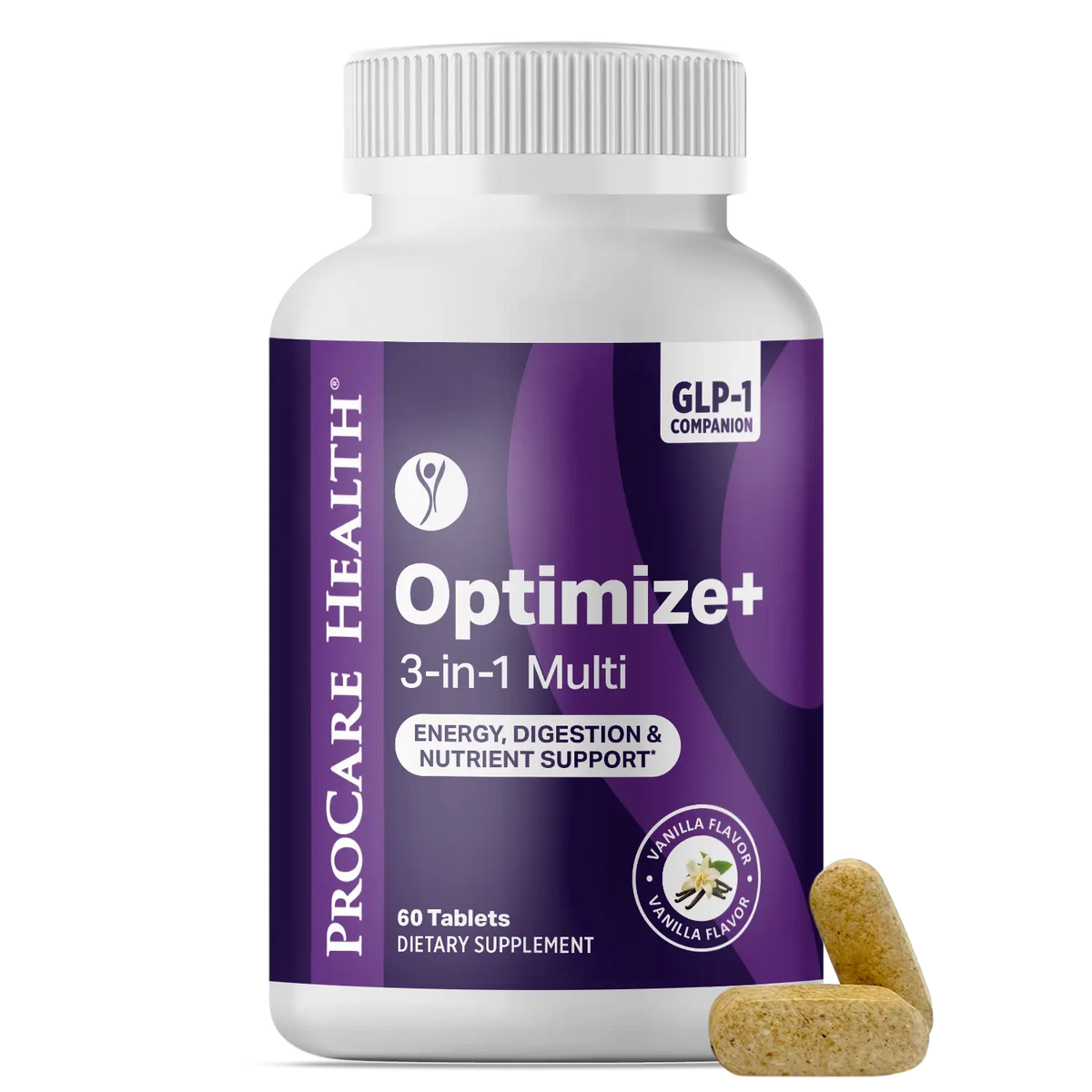
If you prefer streamlined add-ons, GLP1 support supplements, including a GLP-1 companion, are a good option to consider as part of a broader plan. Supplements are not treatments, but they can support consistency when intake is reduced, especially during dose changes.
Conclusion
Do GLP-1 pills work? Yes, prescription oral GLP-1 medications can work when used as directed under medical supervision.
They support appetite regulation and blood sugar management, but differ from injections in terms of absorption and daily routines.
Over-the-counter products marketed as GLP-1 pills are not the same as prescription medications and should be approached carefully.
At ProCare Health, we believe nutrition support should enhance life, not complicate it.
Our approach centers on science-backed formulas and education that empowers people using GLP-1 medications to build steady, with options like GLP1 support supplements for nutrition-focused support alongside treatment.
Educational Disclaimer
This content is intended for educational and informational purposes only and is not a substitute for medical advice, diagnosis, or treatment. Individual nutritional needs and responses to bariatric surgery or GLP-1 therapies can vary based on medical history, medication use, and laboratory values.
Always consult a qualified healthcare provider before starting, stopping, or changing any medication or supplement regimen. Decisions related to weight management, metabolic health, and nutritional supplementation should be made in partnership with a licensed clinician familiar with your individual health needs.
Curious to learn more about metabolic health? Check out these topics: