A bariatric diet plan is meant to bring order to a time that often feels confusing.
Whether you're preparing for surgery or navigating the weeks and months afterward, eating can suddenly feel unfamiliar. Portions are smaller, hunger signals change, and foods that once felt easy may now feel uncomfortable.
For many people, the biggest shift after surgery is learning to trust structure instead of appetite alone. A staged bariatric diet plan helps protect healing and gradually builds habits that can last well beyond the recovery period.
What this article covers:
- What Is a Bariatric Diet Plan?
- How Bariatric Diet Plans Are Structured
- Bariatric Diet Plan by Stage
- Protein, Fluids, and Supplements in a Bariatric Diet Plan
- Foods to Eat and Foods to Avoid on a Bariatric Diet Plan
- Frequently Asked Questions
What Is a Bariatric Diet Plan?
A bariatric diet plan is a medically informed eating plan created specifically for people who have had metabolic and bariatric surgery.
Unlike a standard weight-loss meal plan, it assumes limited stomach capacity, slower eating speed, and a higher risk of missing key nutrients if meals are unstructured.
Structure matters because after surgery, the stomach cannot comfortably hold large volumes, and digestion may change depending on the procedure.
Without a plan, it's easy to eat too fast or fill a limited space with foods that do not provide enough protein or micronutrients. A bariatric diet plan exists to prevent those patterns before they become habits.

How Bariatric Diet Plans Are Structured
Bariatric diet plans are structured in stages because the stomach and digestive system change rapidly after surgery, and those changes affect how food feels and moves through the body.
Immediately after surgery, the stomach is swollen and sensitive. Even small amounts of thick or solid food can create pressure or vomiting.
The staged progression:
Liquids → puréed foods → soft foods → regular textures
It aims to match that healing process. Liquids require the least physical effort to digest and pass through the stomach easily.
As swelling decreases and internal healing progresses, thicker textures can be introduced gradually without overwhelming the stomach or causing discomfort.
Importantly, advancement is not based on willpower or hunger. Bariatric teams typically look for practical signs that the body is ready to move forward.
These signs often include being able to sip fluids throughout the day without pressure, finish small portions of protein without nausea, and eat at a slow pace without feeling food “sit” in the chest or upper abdomen.
Because healing speed varies, two people with the same surgery may advance at different rates.
A well-designed bariatric diet plan allows flexibility within a structured framework, prioritizing comfort and nutritional adequacy over speed.
Bariatric Diet Plan by Stage
Each stage has a clear purpose. Moving through them slowly supports comfort, nutrition, and confidence.
Pre-Op Bariatric Diet Plan (If Required)
Some bariatric programs require a pre-operative diet. When used, its primary goal is to reduce liver size, which improves surgical access and safety.
It also gives people a chance to practice post-surgery behaviors like sipping fluids and eating without distractions.
Pre-op plans often rely on liquids or very simple meals focused on lean protein. Because requirements vary widely by surgeon, it's important to follow the exact plan provided rather than a general template.

Stage 1: Clear Liquid Diet Plan
The clear liquid stage focuses entirely on hydration while placing the least possible stress on the stomach.
At this point, stomach capacity is extremely limited. Drinking too quickly or taking in thick liquids can create pressure, nausea, or regurgitation. Clear liquids are chosen because they pass through easily and do not leave residue behind.
A typical day involves sipping small amounts every few minutes throughout waking hours rather than trying to drink large volumes at once. Consistency matters more than speed during this stage.
Stage 2: Full Liquid Diet Plan
The bariatric liquid diet stage introduces nourishment while keeping textures smooth and easy to swallow.
This is usually when protein is added. Protein supports tissue maintenance during healing and helps prevent excessive muscle loss while weight is changing. Many people rely heavily on protein shakes here because they are predictable and easy to portion.
A typical day includes one protein shake in the morning, another later in the day, and plain fluids spaced between them. Alternating protein liquids with water or other approved fluids helps avoid feeling overly full.
Stage 3: Puréed Food Diet Plan
The puréed stage reintroduces thickness without requiring chewing.
Internally, the stomach is still healing and sensitive to texture. Puréed foods move more slowly than liquids but do not require grinding or forceful digestion.
Everything should be smooth and uniform, similar to applesauce or mashed potatoes without lumps.
Meals are intentionally small. If eating causes chest pressure, nausea, or a heavy feeling, that is usually a sign that the texture is too thick or the pace is too fast. Returning to simpler purées often resolves this quickly.

Stage 4: Soft Food Diet Plan
Soft foods introduce gentle texture and chewing.
Foods should break apart easily with a fork and feel comfortable when eaten slowly. Dry or dense foods are often harder to manage at this stage and may need added moisture.
Common challenges include eating too quickly or under-chewing. Slowing down, chewing thoroughly, and choosing softer, moister textures usually improves comfort without needing to move back a stage.
Stage 5: Long-Term Bariatric Diet Plan
The long-term bariatric diet plan is built around a predictable structure, not constant variety.
Meals are typically protein-first, portion-controlled, and eaten on a regular schedule. This approach helps people meet nutrition needs without calorie counting or constant decision-making.
Over time, this stage becomes less about “following a plan” and more about recognizing which foods and patterns keep meals comfortable and energy steady.
Sample Bariatric Diet Plan (1-Day Examples)
These examples show structure and pacing. They should only be used as an example and adjusted with your care team
Full Liquids
- Morning: protein shake, sipped slowly
- Midday: clear fluids between protein servings
- Afternoon: second protein-containing liquid
- Evening: approved full liquids and plain fluids
Puréed Foods
- Breakfast: puréed eggs
- Lunch: blended soup
- Dinner: puréed beans or cottage cheese
- Fluids sipped between meals if separation is recommended
Soft Foods
- Breakfast: scrambled eggs
- Lunch: soft fish with well-cooked vegetables
- Dinner: shredded chicken with added moisture
Regular Bariatric Diet
- Breakfast: Greek yogurt with fruit
- Lunch: protein bowl with vegetables
- Dinner: lean protein-based meal with produce

Protein, Fluids, and Supplements in a Bariatric Diet Plan
Protein is prioritized because stomach space is limited, and protein is necessary to maintain muscle and overall nutrition.
Most bariatric programs set individualized protein targets based on procedure type, lab results, and symptoms rather than a single universal number.
Hydration supports circulation, digestion, daily energy, and overall healing. Sipping fluids consistently throughout the day is often more effective than drinking larger amounts at once, especially early after surgery.
Vitamin and mineral supplementation is typically part of long-term care because food intake is smaller and absorption may change.
Many people begin taking bariatric vitamins after surgery early, based on program guidance.
Options include bariatric multivitamins, bariatric multivitamin with iron, or bariatric multivitamin without iron, depending on individual needs.
Calcium is often taken separately because it competes with iron absorption. Formats like bariatric calcium supplements or bariatric calcium chews can make spacing supplements easier.
Foods to Eat and Foods to Avoid on a Bariatric Diet Plan
When volume is limited, eating even a small amount of the “wrong” food can crowd out protein and leave people feeling full without being nourished. Over time, that pattern can make it harder to meet nutrition goals consistently, even when meals feel complete.
Foods to Prioritize
Lean proteins are eaten first because they provide the most nutrition per bite. Approved dairy or alternatives often supply protein in easy-to-eat formats. Soft fruits and vegetables are added gradually as digestion becomes more comfortable.
Convenient options like bariatric protein and high protein bariatric snacks can help maintain intake when appetite is low.
IMAGE 6. Alt tag “bariatric diet plan 5”
Foods to Avoid or Limit
When stomach volume is limited, certain foods can take up space without supporting nutrition or can make eating feel uncomfortable.
- Sugary foods and drinks, which move quickly through the stomach and provide little protein or lasting nourishment, making it harder to meet nutrition needs with small portions
- Carbonated beverages, which introduce gas into the stomach and can create pressure, bloating, or a tight feeling when the volume capacity is limited
- Alcohol, especially early on, can displace fluids and protein, contribute to dehydration, and feel irritating to the stomach during healing
- Highly processed “slider” foods, such as chips or sweets, which pass through easily, add calories without fullness, and can disrupt the structure of a bariatric diet plan
Frequently Asked Questions
What Does A Bariatric Diet Plan Look Like?
Early on, it focuses on liquids and smooth foods to protect healing. As recovery progresses, it shifts toward small, protein-first meals eaten slowly and on a regular schedule.
How Long Do You Follow A Bariatric Diet Plan?
The early stages of a bariatric diet plan are temporary and usually last weeks, not months.
Can I Customize My Bariatric Diet Plan?
Yes, customization is expected and encouraged. A registered dietitian helps fine-tune the plan so it fits real life without losing its nutritional foundation.
Do I Have to Follow A Bariatric Diet Plan For Life?
You do not stay on liquids or puréed foods forever. Those stages end once healing is complete. What continues long term is the structure: protein-first meals, small portions, regular eating times, and ongoing attention to hydration and supplementation.
Conclusion
A bariatric diet plan provides clarity during recovery and structure for long-term eating.
Its staged progression protects healing, its protein-first approach supports nutrition with small portions, and its emphasis on hydration helps meals feel manageable as the body adapts.
As routines develop, many people choose tools that simplify daily nutrition.
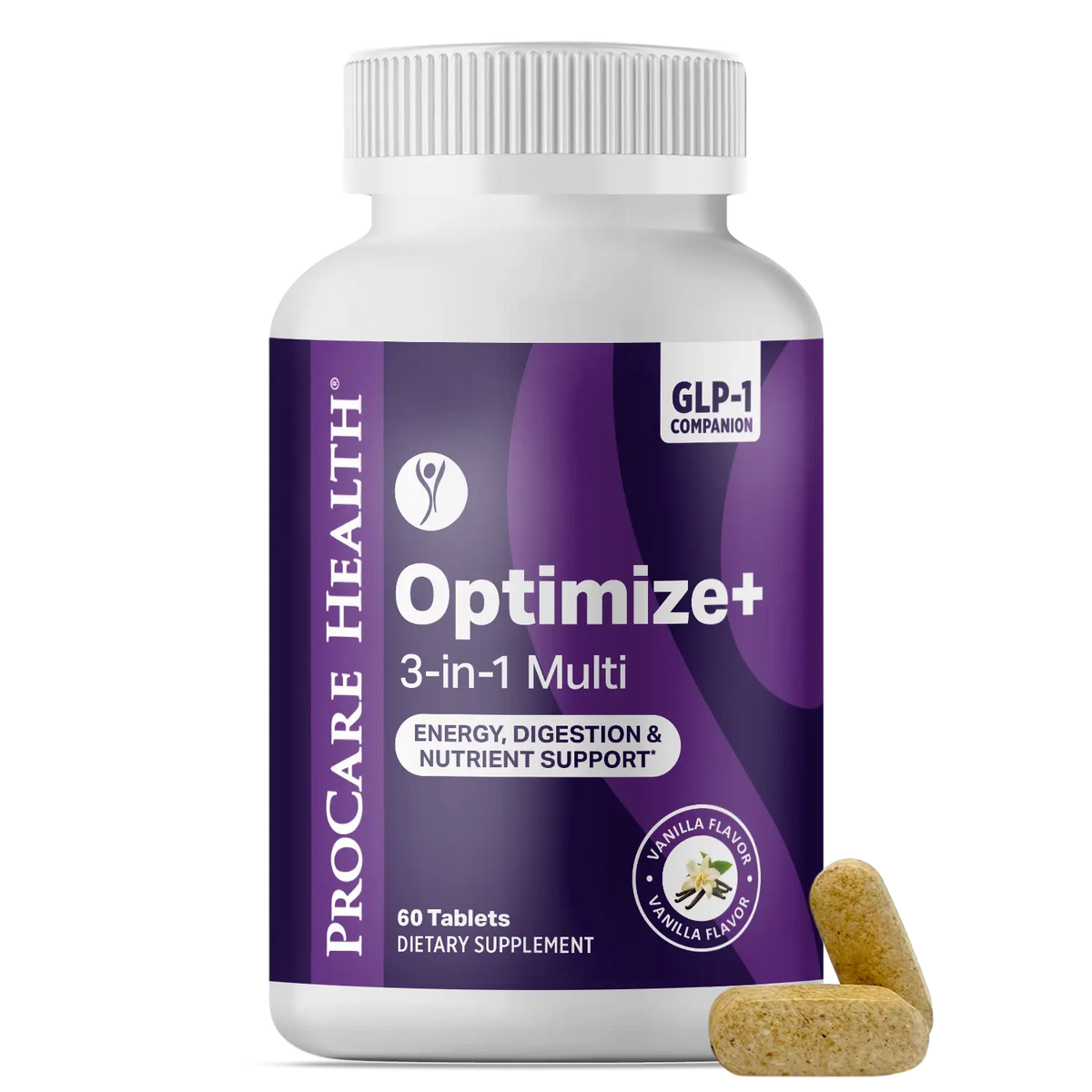
ProCare Health'sbariatric multivitamins, bariatric calcium supplements, and GLP1 support supplements are created to align with bariatric care guidelines and support simple, repeatable routines.
That combination of clinical focus and ease of use helps supplementation feel like a supportive habit rather than another stressful task to manage.
Ready to learn more about bariatric and metabolic health nutrition? Check out these topics: