How long does it take to recover from bariatric surgery? The timeline looks a little different for everyone. Still, most people move through predictable stages: initial healing during the first few weeks, followed by gradual improvement in strength and tolerance over the coming months.
Below, you will find a practical recovery timeline, what many people can expect at each stage, and the factors that may shape your pace.
What this article covers:
- How Long Does It Take To Recover From Bariatric Surgery?
- The Bariatric Surgery Recovery Timeline
- When Do People Usually Return To Everyday Activities?
- What Can Affect Recovery Time?
- Life After Bariatric Surgery
How Long Does It Take To Recover From Bariatric Surgery?
Many people feel ready for most everyday routines again in about 4 to 6 weeks, with different pacing depending on your procedure and health history.
The first stage is short-term recovery, which includes your hospital stay and the first few weeks at home, when you are rebuilding strength, managing soreness, and getting used to new eating stages.
The second is a longer-term adjustment, when stamina rises, your body adapts to changes in appetite and digestion, and your routine starts to feel more automatic.
Progress usually comes in noticeable steps week by week, not all at once.
A useful way to think about the timeline is to expect a focused healing window of roughly 2 to 6 weeks for returning to most daily activities, while giving yourself a few months for the deeper “settling in” phase.
The Bariatric Surgery Recovery Timeline
This timeline reflects what many programs see for uncomplicated recoveries. It is meant to help you plan conversations with your surgeon and dietitian, not replace their guidance.

Hospital Stay And Immediate Recovery
Most people stay in the hospital 1 to 3 days after surgery, depending on the procedure and early recovery markers like walking, pain control, and hydration. The first day is usually about rest, gentle movement, and close monitoring while anesthesia fully clears.
Even in the hospital, recovery starts with small basics: standing up, walking short distances, sipping fluids as your program allows, and learning what comfort tools help you most.
It is normal to feel tired and a bit foggy at first.
Weeks 1–2: Early At-Home Healing
The first one to two weeks at home are about regaining steadiness. Many people feel sore, tire easily, and need frequent rest.
Walking in short, gentle bursts is commonly encouraged because it supports circulation and comfort. Your team will tell you what fits your case.
Nutrition during this phase is simple and structured. Your care program will guide your diet stages, usually starting with liquids and gradually moving toward thicker textures.
This is also where a low-effort vitamin routine helps. Many providers recommend long-term bariatric multivitamins to support nutrient intake as eating patterns change.
Weeks 3–6: Getting Back To Routine
Weeks three through six are often a turning point. Many people notice energy improving and daily tasks feeling simpler.
It is common to resume light household routines and longer walks during this stretch, with your care team guiding any limits around lifting or structured exercise.
Eating continues to progress through program stages, and food tolerance may change week to week. This is normal. Your stomach and gut hormones are adapting, and you are learning how to pace meals.
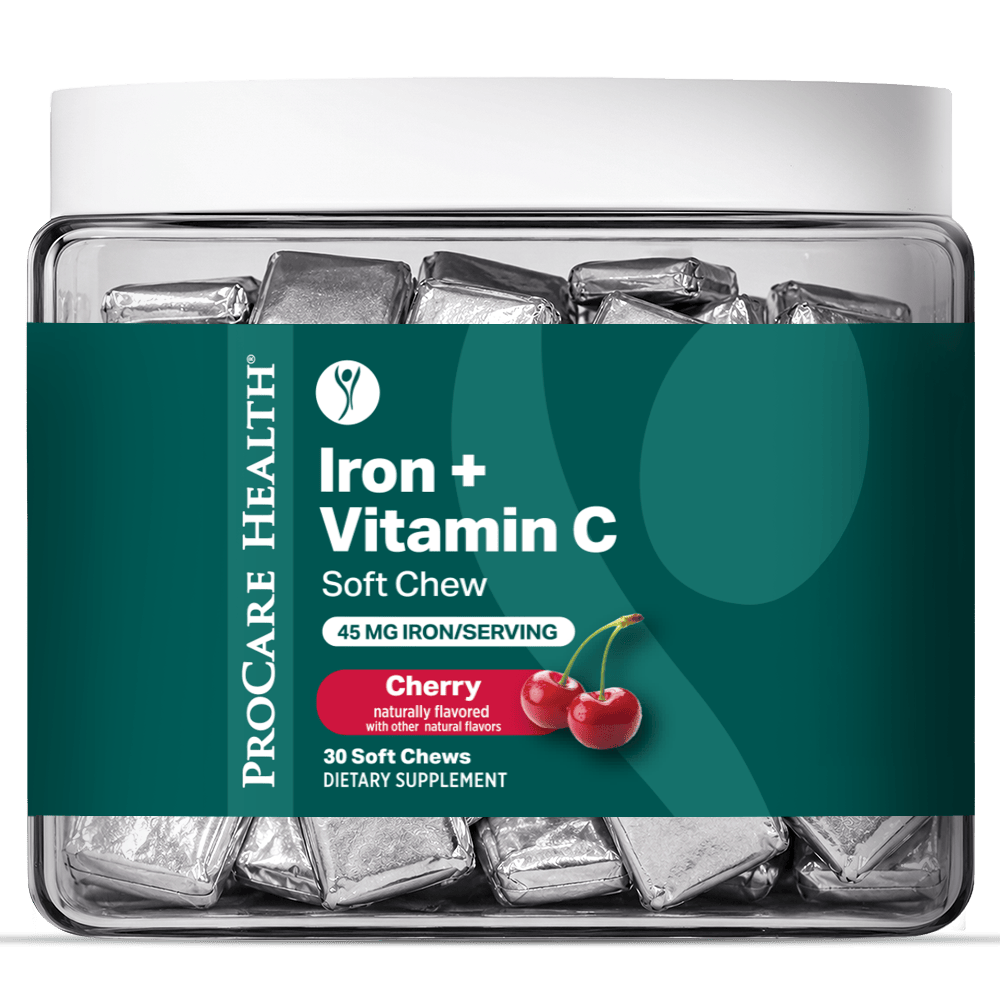
If your labs or procedure call for iron support, this stage is when many people settle into a once-daily bariatric multivitamin with iron.

After 6 Weeks: Longer-Term Adjustment
After six weeks, many people feel mostly back to themselves in daily life. That does not mean everything is finished. It means your baseline energy is returning, your incisions are well healed, and your routine is becoming more automatic.
Full recovery still includes ongoing changes in appetite, digestion, and stamina across the next few months.
This longer-term adjustment phase is also a time for labs and fine-tuning. Your care team may adjust your vitamin, bariatric calcium supplements, or other support based on how well your body absorbs nutrients.
When Do People Usually Return To Everyday Activities?
Your care team gives final clearance, but broad ranges can help you plan your post-op schedule.
Returning To Work
Many people return to desk-based work around 1 to 2 weeks after surgery. Jobs that involve lifting, long shifts on your feet, or physical strain often take longer, commonly closer to 4 to 6 weeks. If work is somewhere in between, your surgeon may recommend a staged return.
Driving
Driving is usually considered okay once you are off prescription pain medication and can move comfortably enough to brake, turn, and look around safely.
Many people reach that point around 1 to 2 weeks, but your surgeon may advise a different timing based on your healing and medication needs.
Exercise And Lifting
Walking is often part of early recovery, then activity builds gradually. Most programs avoid heavy lifting or intense exercise early on, then reintroduce them stepwise after follow-up checks. Your surgeon and program will give the safest plan for your body.

What Can Affect Recovery Time?
Even when two people have the same procedure, recovery can look different. Common factors include:
- Surgical approach and complexity: The types of bariatric surgery heal differently. Laparoscopic or robotic surgery often supports faster early recovery than open surgery, and revisions can take longer to bounce back from.
- Overall health and history: Conditions like sleep apnea, diabetes, or prior abdominal surgery may affect fatigue and healing pace.
- Day-to-day recovery supports: Sleep, hydration, gentle movement, and follow-up care all shape how steady you feel week by week.
- Nutrition consistency: Meeting protein and fluid goals and keeping vitamin levels steady helps many people feel stronger during recovery.
Life After Bariatric Surgery
Once you are past the initial healing phase, the focus shifts from “recovery” to long-term management. This stage is about staying nourished as your body adapts and building routines that remain workable years down the line.
Eating Pattern Changes Over Time
Eating after surgery keeps evolving. Portions stay smaller, but meal timing, hunger cues, and tolerance often shift for months as your stomach and gut hormones adjust.
Many people find that prioritizing protein and paying attention to fullness signals helps meals feel more comfortable and predictable over time.
If you are using GLP-1 medications for metabolic support, some of this may feel familiar.
A stronger focus on nutrient density is a common theme with bariatric surgery and GLP-1s. That overlap can make long-term habits easier to sustain when surgery and medication support are part of the same journey.

Follow-Up And Long-Term Support
Long-term care includes regular labs and check-ins, even when you feel well. These visits help your bariatric team confirm that nutrient intake and absorption stay on track.
That is why many providers recommend lifelong multivitamins and calcium after surgery. A consistent bariatric multivitamin supports daily nutrient coverage as eating patterns remain smaller.
If calcium is part of your recovery plan, bariatric calcium supplements can help you keep that habit realistic day to day. For people whose labs or procedures call for an iron-free approach, an Iron Free Multivitamin may be part of your plan without adding an overwhelming routine.
Support is not only medical. Community and education matter too. If learning alongside others feels helpful, ProCare's Bari Connected monthly support groups and live webinar-style sessions offer practical tips and reassurance when routines need a reset.
Conclusion
So, how long does it take to recover from bariatric surgery? For many people, early healing and a return to light routines happen over the first 2 to 6 weeks. Longer-term adjustment continues for a few months as energy and eating patterns stabilize.
The exact pace depends on your procedure and personal health picture, and your bariatric team is the best guide for what fits you.
Recovery goes better when your routines are simple enough to repeat every day.
At Pro Care Health, we focus on clinically informed, once-daily supplementation that supports consistency without adding stress.
If you are building a plan now, explore our bariatric multivitamins and talk with your provider about which form best matches your procedure and labs.
Ready to learn more about bariatric and metabolic health nutrition? Check out these topics: