After metabolic and bariatric surgery, the stomach heals in stages, and food choices must match what the body can comfortably handle at each point in recovery. Eating foods that are too thick, too dry, or too dense too early can lead to nausea or difficulty meeting nutrition needs.
Tolerance also varies from person to person. Two people at the same stage may have different responses to the same food.
This guide offers a structured bariatric food list reference, but your surgeon or registered dietitian should always guide timing and progression.
What this article covers:
- How to Use This Bariatric Food List
- Bariatric Food List by Diet Stage
- Best Protein Foods on a Bariatric Diet
- Foods Commonly Not Tolerated After Metabolic and Bariatric Surgery
- Bariatric Snack Food List (Stage-Appropriate)
- Frequently Asked Questions
How to Use This Bariatric Food List
This bariatric food list is organized by bariatric diet stage, not by preference or nutrition trends. Each stage reflects what the stomach is physically ready to process.
Most bariatric programs follow a general progression:
Clear liquids → full liquids → blended foods → soft foods → regular textures
The most important principle is that texture matters as much as ingredients.
A food can be nutritionally appropriate but still feel uncomfortable if introduced too early. Moving slowly and waiting for provider approval reduces setbacks and helps eating feel predictable instead of stressful.
Bariatric Food List by Diet Stage
Each stage has a different goal. Some stages emphasize hydration, others emphasize texture adaptation, and later stages focus on long-term nutrition with limited volume.

Clear Liquid Bariatric Food List
The clear liquid stage exists to support hydration while placing the least possible stress on the stomach. At this point, the stomach is swollen and extremely sensitive to volume and thickness.
Allowed
- Water (still, non-carbonated): Water moves through the stomach with minimal resistance and is the most reliable way to maintain hydration.
- Clear broths: Broths provide fluid along with sodium, which can be helpful when intake is low.
- Sugar-free gelatin: Gelatin adds variety without thickness and is often easier to tolerate than plain water.
- Non-carbonated, sugar-free electrolyte drinks: These can help maintain fluid balance during very low intake days.
Avoid
- Carbonated beverages, which introduce gas that can create sharp pressure or pain
- Sugary drinks, which add calories without the hydration benefit
- Alcohol, which irritates healing tissue and contributes to dehydration
This stage has very limited options because the stomach cannot yet tolerate digestive effort.
Full Liquid Bariatric Food List
As swelling begins to decrease, a bariatric liquid diet can be introduced to provide nutrition. The goal here is to begin meeting protein needs without requiring chewing.
Allowed
- Protein shakes, which deliver concentrated nutrition in a predictable volume
- Skim milk or approved milk alternatives, which add protein and calories
- Thinned soups without chunks, fully blended and pourable
- Low-sugar yogurt, only if specifically approved by the care team
Avoid
- Chunky or thick soups, which behave like solid food
- Smoothies with seeds, pulp, or fibrous ingredients, which can feel heavy
- Added sugars, which crowd out protein and increase the risk of discomfort
This stage includes more options than clear liquids because the stomach can now tolerate slightly thicker textures.

Puréed/Blended Bariatric Food List
The puréed or blended stage bridges liquids and solids. Foods must be completely smooth and uniform, with no chewing required.
Allowed
- Blended lean meats or poultry, blended until smooth to provide protein without resistance
- Blended eggs, which are naturally soft and easy to digest
- Mashed beans or lentils, when fully smooth and portioned carefully
- Smooth cottage cheese, which offers protein in a consistent texture
Avoid
- Any food with lumps or uneven texture, which can cause pressure or nausea
- Bread, rice, and pasta, which become paste-like and difficult to move through the stomach
- Raw vegetables, which require extensive digestion
This stage is intentionally restrictive because texture errors are more likely to cause discomfort.
Soft Bariatric Food List
Soft foods reintroduce chewing while keeping textures gentle. Foods should break apart easily and feel comfortable when eaten slowly.
Allowed
- Soft fish, which flakes easily and is often well tolerated
- Ground or shredded meats, especially when cooked with moisture
- Scrambled eggs, which remain soft even when cooled
- Cooked vegetables, tender enough to mash with a fork
- Soft fruits without skins, introduced in small portions
Avoid
- Tough or dry meats, which require excessive chewing
- Bread and crackers, which expand and feel heavy
- Raw produce, which can be difficult to digest at this stage
This stage has more variety, but eating pace and moisture still matter greatly.

Regular Bariatric Food List (Long-Term)
Once regular textures are allowed, food choices matter more than ever because stomach volume remains limited long-term. Each bite should contribute meaningful nutrition.
Protein-First Staples
- Lean meats and poultry, eaten slowly and in small portions
- Fish and seafood, often easier to chew and digest
- Eggs, versatile and nutrient-dense
- Low-fat dairy, useful for protein and calcium
Foods Introduced Gradually
- Whole grains, which can feel heavy if portions are too large
- Starchy vegetables, which provide energy but crowd out protein
- Fruits, which are nutritious, should not replace protein
Foods Commonly Limited Long-Term
- Sugary foods, which move quickly without fullness
- Fried foods, which slow digestion and cause discomfort
- Ultra-processed snacks, which add calories without nourishment
Best Protein Foods on a Bariatric Diet
Protein is essential because the stomach space is limited, and protein supports muscle maintenance and daily energy.
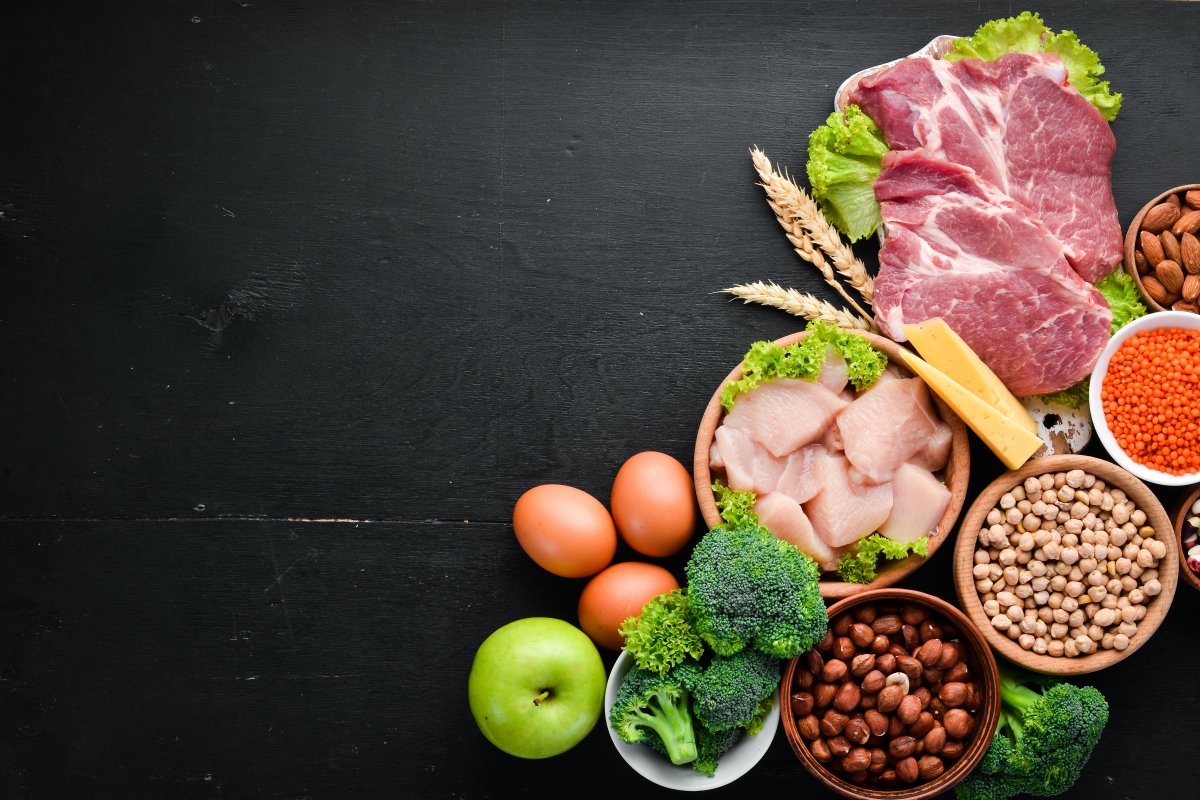
Animal-based proteins such as poultry, fish, eggs, and low-fat dairy provide a high amount of protein in small portions and are often easier to portion.
Plant-based proteins, including beans, lentils, tofu, and soy-based products, can also work when prepared to match the current texture stage.
To improve tolerance:
- Choose moist cooking methods
- Take small bites and chew thoroughly
- Stop at the first sign of pressure or fullness
Convenient bariatric protein can support intake when appetite is low.

Foods Commonly Not Tolerated After Metabolic and Bariatric Surgery
Some foods remain challenging even months after surgery due to texture or density.
Common examples include:
- Dry or dense meats
- Bread and doughy foods
- Rice and pasta
- Carbonated beverages
- Sugary or high-fat foods
Tolerance may improve, but many people continue to limit these foods long term.
Bariatric Snack Food List (Stage-Appropriate)
Bariatric snacks can support protein intake when spaced between meals. Snacks should support nutrition, not replace meals or encourage grazing.
Good snack options include:
- Yogurt or cottage cheese
- Soft cheese with approved pairings
- High protein bariatric snacks
Frequently Asked Questions
What Foods Can You Eat After Metabolic and Bariatric Surgery
After metabolic and bariatric surgery, you can eat foods that match your current diet stage and texture guidelines, not just foods that are considered “healthy” in a general sense. Early on, this means liquids and smooth foods that support healing.
What Foods Should Be Avoided After Metabolic and Bariatric Surgery?
Common examples include sugary foods that move quickly through the stomach, carbonated drinks that introduce gas and pressure, dry or dense foods that are hard to chew, and highly processed foods that don't provide lasting fullness.
Are Fruits Allowed on a Bariatric Diet?
Fruits are usually introduced after protein foods are well tolerated, starting with soft options that do not have skins or seeds. Early on, fruits are limited because they can displace protein in a very small stomach.
Is The Bariatric Food List the Same for Sleeve and Bypass?
Yes, the overall structure of the bariatric food list is similar across procedures, but timing, tolerance, and long-term needs can differ. People who've had gastric bypass or DS/SADI procedures may notice differences in how certain foods feel or how nutrients are absorbed.
Conclusion
A bariatric food list works best when it's treated as a flexible, stage-based guide rather than a rigid rulebook. Matching foods to the correct texture supports healing, reduces discomfort, and helps meals feel predictable.
Protein should come first, portions should remain small, and individual tolerance should guide long-term choices. Always follow the guidance of your surgeon or registered dietitian when advancing to the next stage.
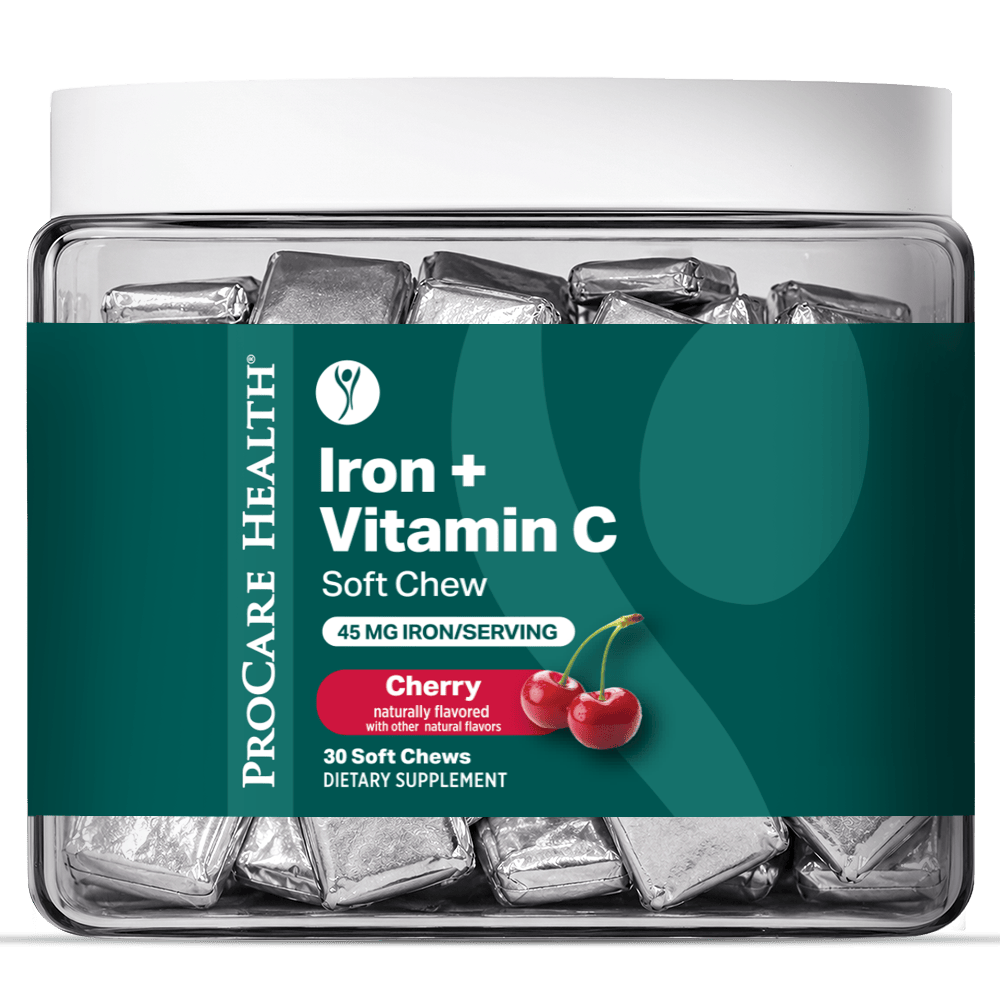
As routines settle in, having nutrition you can rely on every day makes a real difference. Many people turn to ProCare Health because everything is built specifically for bariatric life.
Using our bariatric multivitamins as a daily foundation, paired with supportive staples like bariatric protein and high protein bariatric snacks, helps make nutrition feel straightforward and consistent instead of complicated.
Ready to learn more about bariatric and metabolic health nutrition? Check out these topics: