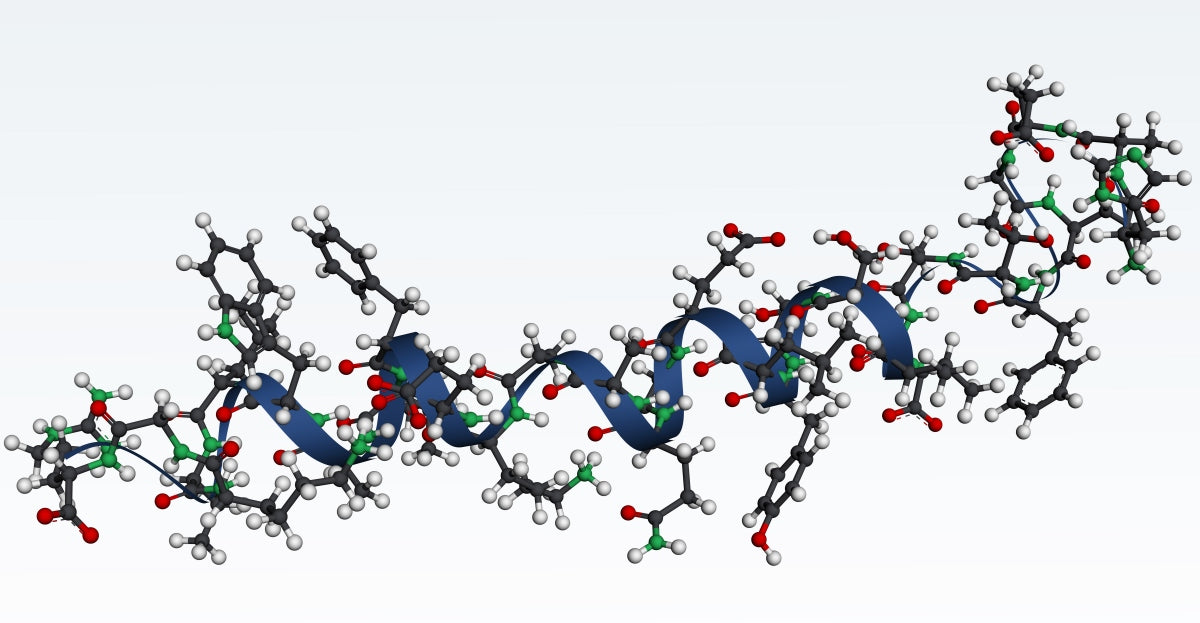
What is GLP-1? GLP-1, or glucagon-like peptide-1, is a naturally occurring incretin hormone that helps regulate blood sugar and appetite after meals. It plays a central role in how the body responds to food, particularly carbohydrates and fats.
GLP-1 is produced inside the body and released in response to nutrient intake. Below, we'll explain its physiology, its role in metabolism, and why it has become clinically relevant in discussions about blood sugar regulation and overall metabolic health.
What this article covers:
- What Is GLP-1?
- What Does GLP-1 Do in the Body?
- The Incretin Effect and Why GLP-1 Matters
- How Long Does GLP-1 Last in the Body?
- GLP-1 and Metabolic Health
- GLP-1 vs Other Hormones Involved in Blood Sugar Regulation
- Frequently Asked Questions
What Is GLP-1?
GLP-1 stands for glucagon-like peptide-1. It is an incretin hormone released after nutrient intake that enhances insulin secretion in a glucose-dependent manner and contributes to post-meal metabolic regulation.
In simple terms, GLP-1 is part of the communication system between the gut and the pancreas. After you eat, it helps coordinate how the body processes incoming nutrients, especially glucose.
Where Is GLP-1 Produced?
GLP-1 is secreted primarily by specialized enteroendocrine L-cells located throughout the intestinal lining, with high concentrations in the distal ileum and colon. These cells respond to nutrients that enter the gut lumen after a meal.
In addition to its intestinal production, GLP-1 is also produced in smaller amounts in neurons within the brainstem, specifically the nucleus tractus solitarius. This dual production allows GLP-1 to participate in both peripheral metabolic regulation and central appetite signaling.
GLP-1 release increases rapidly after ingestion of carbohydrates and fats. The response begins within minutes of eating, reflecting the body's need to prepare for nutrient absorption and glucose management.

What Does GLP-1 Do in the Body?
GLP-1 acts through a coordinated set of physiological pathways that affect the pancreas, gastrointestinal tract, and central nervous system. Its actions are tightly linked to meal timing and circulating glucose levels.
Rather than functioning in isolation, GLP-1 integrates signals from the gut to fine-tune insulin release, glucagon suppression, gastric motility, and appetite.
Stimulates Glucose-Dependent Insulin Secretion
One of GLP-1's most important roles is enhancing glucose-dependent insulin secretion from pancreatic beta cells. This means that GLP-1 amplifies insulin release when blood glucose levels rise after a meal.
The glucose-dependent mechanism is critical. GLP-1 does not force insulin release when glucose is low. Instead, it enhances insulin secretion proportionally to the level of circulating glucose. This design supports postprandial glucose control while reducing the likelihood of inappropriate insulin release during fasting states.
Suppresses Glucagon Secretion
GLP-1 also reduces glucagon secretion from pancreatic alpha cells in the post-meal state. Glucagon typically raises blood glucose by signaling the liver to release stored glucose.
By moderating post-meal glucagon release, GLP-1 helps limit excessive hepatic glucose production. This coordinated insulin enhancement and glucagon reduction contributes to smoother postprandial glucose patterns.
Slows Gastric Emptying
GLP-1 slows gastric emptying, meaning it delays the movement of food from the stomach into the small intestine. This slower transit slows the rate at which glucose enters the bloodstream.
A gradual delivery of nutrients supports a more controlled rise in blood sugar after meals. This effect also influences satiety by prolonging the sensation of fullness.

Increases Satiety Signals
GLP-1 interacts with receptors in central appetite-regulating regions of the brain, including hypothalamic pathways. Through gut-brain signaling, it contributes to meal termination and fullness cues.
These satiety signals are part of a larger network of hormones that regulate energy balance. GLP-1 does not act alone, but it plays a meaningful role in shaping appetite responses following food intake.
Influences Cardiovascular and Neuroregulatory Pathways
GLP-1 receptors are expressed in multiple tissues, including vascular structures, renal tissue, and regions of the brain. Research continues to explore how GLP-1 signaling interfaces with cardiovascular and neuroregulatory systems.
While much of the clinical focus today involves pharmacologic GLP-1 receptor agonists, the underlying biology begins with the native hormone and its widespread receptor distribution. Ongoing studies are evaluating how GLP-1 signaling pathways influence broader aspects of metabolic health.
The Incretin Effect and Why GLP-1 Matters
The “incretin effect” refers to a well-established physiological phenomenon: oral glucose intake produces a greater insulin response than intravenous glucose administration, even when blood glucose levels are matched.
This difference occurs because hormones released from the gut after eating amplify insulin secretion. GLP-1 is one of the primary incretin hormones responsible for this effect.
Another incretin hormone, glucose-dependent insulinotropic polypeptide, or GIP, is released from K-cells in the proximal small intestine. Together, GLP-1 and GIP enhance insulin secretion in response to oral nutrient intake.
Understanding the incretin effect highlights why GLP-1 is central to post-meal glucose regulation. Without incretin signaling, insulin responses to food would be less robust and less precisely timed.

How Long Does GLP-1 Last in the Body?
Native GLP-1 has a very short half-life in circulation, typically measured in minutes. This rapid turnover occurs because it is rapidly degraded by the enzyme dipeptidyl peptidase-4 (DPP-4).
This short half-life means that endogenous GLP-1 functions as a fast, meal-coupled signal. It rises quickly after food intake and is cleared rapidly once its signaling role is complete.
Physiologically, this rapid degradation helps the body maintain tight metabolic control. The brief duration ensures that GLP-1 activity remains closely linked to active nutrient processing rather than prolonged stimulation.
GLP-1 and Metabolic Health
GLP-1 participates in the body's coordinated response to nutrient intake. Its effects are most evident in the postprandial state, when multiple hormonal systems must work together to maintain glucose stability while supporting appropriate satiety signaling.
Rather than acting independently, GLP-1 functions as part of an integrated gut–pancreas–brain axis that fine-tunes insulin secretion, glucagon suppression, gastric motility, and appetite cues.
GLP-1 and Blood Sugar Regulation
Following a meal, circulating glucose levels rise as carbohydrates are digested and absorbed. GLP-1 enhances glucose-stimulated insulin secretion from pancreatic beta cells, meaning its insulin-amplifying effect is proportional to the amount of glucose present.
At the same time, GLP-1 suppresses postprandial glucagon secretion. Because glucagon signals the liver to release stored glucose, moderating glucagon in the fed state helps limit unnecessary hepatic glucose output.
GLP-1 also slows gastric emptying, which influences the rate at which nutrients enter the small intestine. A slower delivery of glucose into circulation contributes to a more gradual post-meal rise in blood sugar.
These combined actions support postprandial glucose regulation through physiologic coordination rather than forced hormone release.

GLP-1 and Appetite Regulation
GLP-1 contributes to appetite signaling through central nervous system pathways, including hypothalamic and brainstem circuits involved in energy balance. It is one of several gut-derived hormones that communicate meal size and nutrient status to the brain.
By influencing gastric emptying and central satiety pathways, GLP-1 can affect meal duration and perceived fullness after eating. Its role is modulatory, meaning it adjusts appetite signals in context with other hormonal inputs such as leptin, ghrelin, peptide YY, and insulin.
When appetite patterns shift, nutrient density becomes more important.
For individuals experiencing reduced intake, whether due to metabolic changes or appetite modulation, maintaining micronutrient adequacy through comprehensive routines such as bariatric multivitamins may be considered in partnership with a healthcare professional.
GLP-1 in Type 2 Diabetes
In type 2 diabetes, the incretin effect is frequently reduced. This means that the insulin response to oral glucose is diminished compared to individuals without diabetes, even when blood glucose levels are similar.
Research suggests that this altered incretin physiology may involve reduced beta cell responsiveness to GLP-1 signaling, changes in hormone secretion dynamics, and broader metabolic dysregulation. The degree of impairment can vary between individuals and across stages of the condition.
Importantly, GLP-1 itself is not absent in type 2 diabetes. Instead, the interaction between incretin signaling and pancreatic beta cell function may be less effective. Understanding this distinction helps clarify why GLP-1 biology remains central to metabolic research and clinical discussions.

GLP-1 vs Other Hormones Involved in Blood Sugar Regulation
Glucose homeostasis is maintained through a tightly regulated hormonal network that balances nutrient intake, hepatic glucose production, peripheral glucose uptake, and energy storage.
No single hormone controls this system in isolation. Instead, multiple signals coordinate to stabilize blood glucose in both fasting and postprandial states.
GLP-1 functions within this broader endocrine framework. It does not replace insulin or glucagon, and it does not independently control blood sugar. Rather, it modulates pancreatic hormone secretion in response to nutrient exposure.
|
Hormone |
Primary Source |
Core Physiologic Role |
|
Insulin |
Pancreatic beta cells |
Promotes peripheral glucose uptake in muscle and adipose tissue, suppresses hepatic glucose production, and supports glycogen storage |
|
Glucagon |
Pancreatic alpha cells |
Stimulates hepatic glucose production through glycogenolysis and gluconeogenesis, particularly during fasting |
|
GLP-1 |
Intestinal L-cells |
Enhances glucose-dependent insulin secretion, suppresses postprandial glucagon release, and slows gastric emptying |
|
GIP |
K-cells of the proximal small intestine |
Amplifies insulin secretion in response to oral nutrient intake; part of the incretin system |
Understanding these distinctions is essential when evaluating questions like what is GLP-1 medication or reviewing a broader GLP-1 drugs list, because these treatments act on the GLP-1 (incretin) signaling pathway rather than replacing the hormone outright.

Frequently Asked Questions
Is GLP-1 a Hormone or a Medication?
GLP-1 is a naturally produced hormone. It is released by intestinal L-cells in response to nutrient intake.
Some medications are designed to act on GLP-1 receptors or mimic its effects, but the term GLP-1 itself refers to the endogenous hormone.
What Triggers GLP-1 Release?
GLP-1 release is triggered primarily by nutrient ingestion, especially carbohydrates and fats. The presence of nutrients in the gut stimulates L-cells to secrete GLP-1 into circulation. Neural and hormonal feedback mechanisms also influence the magnitude and timing of secretion.
Does GLP-1 Control Metabolism?
GLP-1 influences metabolic regulation indirectly through its effects on insulin secretion, glucagon suppression, gastric emptying, and appetite signaling. It does not independently control metabolism but serves as one component of a coordinated hormonal network.
Is GLP-1 the Same as Insulin?
GLP-1 and insulin are different hormones with distinct roles. GLP-1 originates in the gut and enhances insulin secretion when glucose is elevated. Insulin is produced by the pancreas and directly lowers blood glucose by facilitating cellular uptake. They work together, but they are not interchangeable.
Conclusion
GLP-1 is a naturally produced incretin hormone that contributes to postprandial glucose regulation, appetite signaling, and digestive pacing.
Its rapid degradation and glucose-dependent activity allow it to function as a precise, meal-coupled metabolic signal within the broader endocrine system.
While GLP-1 is only one part of a complex hormonal network, its role in the incretin effect highlights the importance of nutrient timing and physiologic balance in metabolic health.
At ProCare Health, we believe nutrition routines should support the body's natural physiology without adding unnecessary complexity.
In certain situations, thoughtfully designed options such as our GLP1 support supplements or GLP-1 companion can be incorporated as part of a provider-guided plan.
As always, decisions about supplementation or metabolic care should be individualized and made in collaboration with a qualified healthcare professional.
Educational Disclaimer
This content is provided for educational and informational purposes only and is not intended to diagnose, treat, cure, or prevent any disease. The information shared is not a substitute for professional medical advice, diagnosis, or treatment.
Individual responses to nutrition, lifestyle changes, bariatric surgery, and GLP-1 therapies can vary. Decisions regarding medications, supplements, or changes to diet and physical activity should be made in consultation with a qualified healthcare provider who is familiar with your individual medical history and health needs.
ProCare Health products are not intended to replace prescription medications or medical care. Always consult your healthcare provider before starting, stopping, or changing any medication or supplement regimen.
Curious to learn more about metabolic health? Check out these articles: