What is bariatric surgery? Whether you are exploring options, supporting a loved one, or living your own post-surgery journey, it's an important question.
In simple terms, bariatric surgery (also called metabolic and bariatric surgery) refers to several procedures that change the stomach and sometimes the small intestine. This is done to support meaningful, sustained weight management and metabolic health under medical care.
It's a big deal, and can be overwhelming when you don't understand the nuances. That's why we're here to walk you through how bariatric surgery works and everything else you need to know about the procedure.
What this article covers:
- What Is Bariatric Surgery?
- How Does Bariatric Surgery Work?
- Who May Be Eligible For Bariatric Surgery?
- What The Bariatric Surgery Process Usually Looks Like
- Life After Bariatric Surgery
- Benefits And Risks of Bariatric Surgery
- Bariatric Surgery And GLP-1 Medications: How They Fit Together
- Frequently Asked Questions
What Is Bariatric Surgery?
Bariatric surgery is a group of operations that help change how the digestive system handles food. Some procedures primarily limit how much you can eat, while others also reduce how much energy and nutrients your body absorbs.
Most modern bariatric surgeries are performed laparoscopically, meaning surgeons use small incisions and specialized tools. This often leads to a shorter hospital stay and faster recovery compared to open surgery.
But it's important to understand that bariatric surgery is not a “shortcut” or a moral test. It is a clinical intervention used under medical supervision, alongside nutrition care, movement, structured follow-up, and ongoing support.
For many people, it offers a biological shift that can make healthy routines feel more doable long-term.
How much benefit someone sees depends on many factors, and your bariatric team is the best source for individualized expectations.

Why Is It Called “Metabolic And Bariatric Surgery”?
“Bariatric” is a medical term that literally refers to the treatment of weight, which is why these operations were first described mainly as weight-loss surgeries.
The language has changed over time because clinicians learned that the effects go beyond stomach size alone.
After surgery, the digestive system sends different signals to the brain and body. Gut hormones that regulate hunger, fullness, and blood sugar can shift, and many people experience improvements in insulin sensitivity early on, with longer-term changes also linked to weight loss.
Because these procedures can support metabolic health as well as weight management, the field often uses the term “metabolic and bariatric surgery.”
This broader term reflects how care teams evaluate surgery today: not only for weight change, but for its potential to support health conditions that are closely linked to metabolism, such as type 2 diabetes, sleep apnea, fatty liver disease, or high blood pressure.
Using the word “metabolic” is simply a more complete way to describe the goal. Many people pursue surgery to support day-to-day health, function, and quality of life, with nutrition follow-up and long-term habits as part of the plan.
How Does Bariatric Surgery Work?
The surgery reshapes the path food takes through your stomach and sometimes your small intestine, which affects how much you can comfortably eat, how much your body absorbs, and how your gut communicates hunger and fullness to your brain.
The different types of bariatric surgery rely on these effects in various proportions, so your day-to-day experience depends on the surgery you had and how your body responds.

Restrictive Changes
Restrictive procedures make the stomach smaller. With less space available, food fills the stomach faster, and the stretch signals that trigger fullness happen earlier.
The small intestine stays in its usual position, so digestion and absorption occur normally. But because you eat less overall, your nutrient intake drops unless you plan for it.
That is why protein goals and a consistent multivitamin routine remain part of long-term care even after restrictive surgery. Sleeve gastrectomy and adjustable gastric banding are primarily restrictive procedures.
Malabsorptive Changes
Malabsorptive procedures reroute part of the small intestine. After surgery, food bypasses a section of intestine where calories and nutrients are typically absorbed.
The body still digests what you eat, but it has less surface area and less time to absorb energy, vitamins, and minerals. This is an expected anatomical effect of the surgery.
Because of it, procedures like Roux-en-Y gastric bypass, duodenal switch, and SADI-S typically require lifelong vitamin and mineral supplementation, plus regular lab monitoring to help maintain healthy nutrient levels.
Hormonal And Appetite Changes
Bariatric surgery also changes gut hormone signaling. After many procedures, hormones that support fullness rise after meals (such as GLP-1 and PYY), while the primary hunger hormone produced in the stomach (ghrelin) often decreases.
Individual responses differ, but the physiological mechanisms are well documented. Long-term results are strongest when surgery is paired with structured nutrition habits and ongoing follow-up.

Who May Be Eligible For Bariatric Surgery?
Doctors recommend bariatric surgery when a higher weight creates a significant health risk and structured lifestyle care hasn't brought enough improvement.
Your bariatric team reviews your overall health before recommending surgery. They look at conditions tied to metabolism, your past weight-management efforts, lab results, current medications, and your ability to commit to long-term follow-up and nutrition care.
You make the final decision with your care team, but the recommendation starts clinically. Schedule a consultation with a bariatric surgeon and a dietitian to determine whether surgery is a good fit for your health needs and what outcomes you can realistically expect.
What The Bariatric Surgery Process Usually Looks Like
Most people move through the same general phases, even though the details vary by center and procedure.
Before Surgery
Pre-op preparation usually includes a surgical consult, lab work, medical clearances, and nutrition visits. You'll also get education on post-surgery eating patterns and supplementation, so you know what to expect and have a plan that matches your procedure.
Some centers include a short pre-surgery eating plan to support safety during the operation. Your team lays out the steps and timing.
Surgery Day And Hospital Stay
Most bariatric surgeries today are performed laparoscopically using small incisions. The operation itself often takes a few hours, depending on the procedure and your medical complexity.
Many people stay in the hospital one to two nights, though your surgeon will give the best estimate for your situation.

Early Recovery
Early recovery focuses on healing and gradual re-feeding. People typically move through diet stages, starting with liquids, then soft foods, then more regular textures over several weeks.
Follow-up visits in the early months help your team track hydration, food tolerance, and labs, then adjust your plan in a way that fits your real life.
Life After Bariatric Surgery
Life after surgery is where the real, steady work happens. The goal is progress, not perfection. Your anatomy has changed, and over time, your routines adapt to match it.
Eating Patterns Change
Most people find they do best with smaller, protein-forward meals, eaten slowly and spaced through the day. Fluids are typically taken between meals, not with them, to support comfort and hydration. The specifics depend on your procedure and tolerance, so your dietitian's plan is your home base.
Follow-Up And Long-Term Support
Long-term success is strongly tied to follow-ups and lab monitoring. These check-ins help your team spot trends early and adjust food, supplements, or habits in a way that fits your real life. Support groups and education communities can also make a big difference in consistency and confidence.
This is also where vitamins matter. After surgery, your body's needs change, so a simple, steady routine is a practical form of self-care.
Many people choose bariatric multivitamins designed for post-surgical intake and absorption realities, especially when once-daily simplicity helps with long-term consistency.
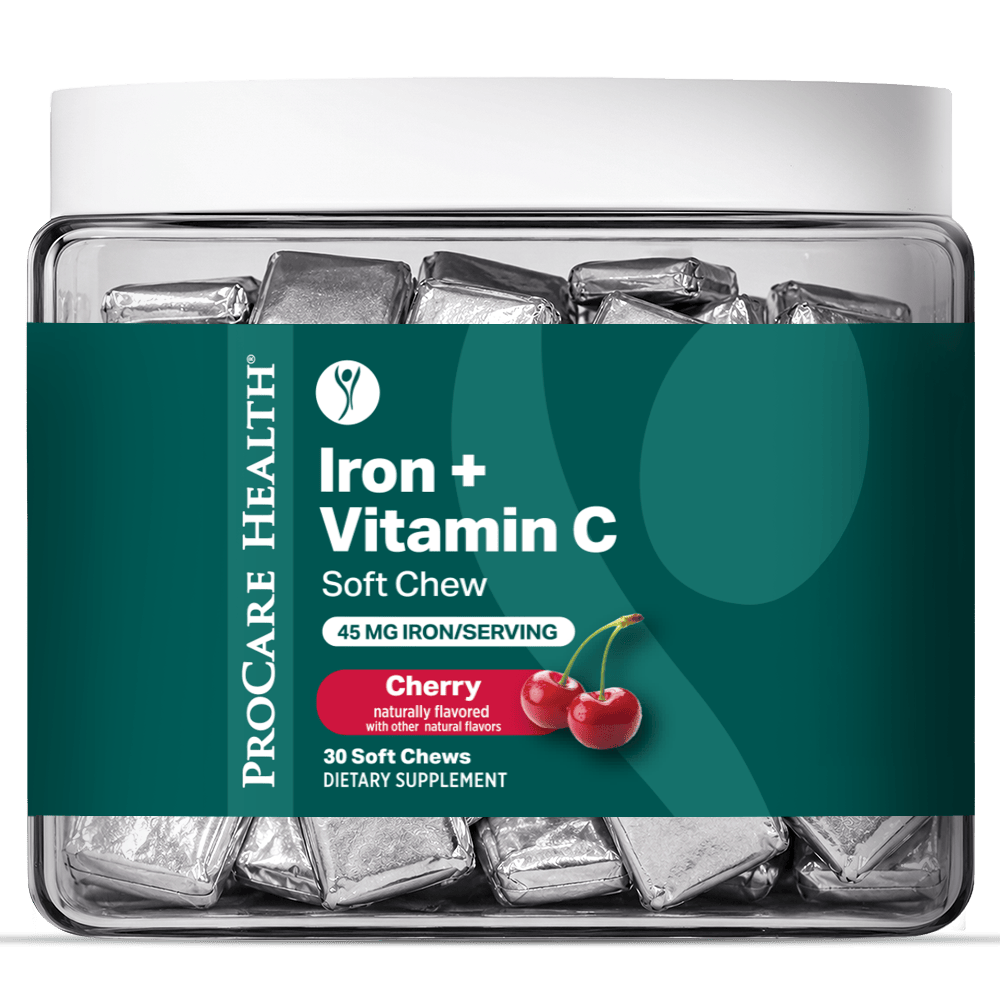
If you prefer a chewable option early on, or anytime you want something easier to take, Bariatric Multivitamin Soft Chew is built to support that kind of routine.
For people whose lab plan includes iron, a coated tablet such as the Multivitamin with 45mg Iron can be a comfortable once-daily fit, depending on your provider's guidance.
If your plan is iron-free, Iron Free Multivitamin Capsule is another streamlined way to stay covered.
And for people who've had DS or SADI-S procedures, a surgery-specific core option like DS/SADI Core Multivitamin can help align daily supplementation with the higher-malabsorption reality of those surgeries, with labs guiding any additional support.
IMAGES 6. Alt tag “bariatric surgery what is”
Benefits And Risks of Bariatric Surgery
Bariatric surgery has a strong safety record overall when performed in accredited centers, but like any surgery, it comes with both potential benefits and risks.
|
Potential Benefits (May Support) |
Potential Risks / Considerations |
|
Meaningful, sustained weight management over time |
Surgical risks such as bleeding, infection, blood clots, or leaks |
|
Improvement in health risks linked to higher weight (varies by person) |
Long-term micronutrient deficiencies without consistent supplementation |
|
Better mobility, stamina, and daily function for many people |
Digestive changes such as dumping syndrome, reflux, or bowel pattern shifts |
|
Support for metabolic health markers like blood sugar regulation |
In some cases, there is a need for revision or additional procedures |
Bariatric Surgery And GLP-1 Medications: How They Fit Together
We're seeing more people who use GLP-1 medications (such as semaglutide or tirzepatide) before surgery, after surgery, or instead of surgery.
These medications can support appetite regulation and metabolic health through hormone pathways, while surgery changes anatomy and gut signaling more directly. Some people use both approaches at different times under close provider supervision.
Nutrition needs can overlap across these journeys. Whether you are post-op, using GLP-1s, or mixing tools over time, the foundation remains the same: protein adequacy, hydration, fiber and produce as tolerated, and a vitamin routine that feels sustainable.
For post-bariatric individuals, including those who are also using GLP-1 medications, a higher-iron daily option like Multivitamin and Probiotics with Iron can offer convenient, comprehensive support for essential micronutrients and gut routine in one step.
If calcium is part of your plan, many people look for bariatric calcium supplements that are easy to space throughout the day and gentle on the stomach.
Your provider will tell you which form and schedule fits your labs and procedure best.

Frequently Asked Questions
What's the Difference Between Gastric Sleeve and Bypass?
A gastric sleeve reduces the size of the stomach, so you eat less and feel full faster. Gastric bypass creates a small stomach pouch and reroutes part of the intestine, limiting eating and reducing calorie/nutrient absorption.
Is Bariatric Surgery Permanent?
The anatomical changes from sleeve, bypass, DS, and SADI-S are intended to be long-term. Adjustable gastric banding can be removed or revised if needed. Your doctor will talk through what “permanent” means for your specific procedure.
How Fast Do People Lose Weight After Surgery?
Weight change is typically fastest in the first months and then slows, but the pace varies widely. Procedure type, baseline health, food tolerance, movement, sleep, and follow-up routines all matter. Your bariatric program is the right place for individualized expectations.
Do People Need Vitamins Forever After Bariatric Surgery?
Most people need long-term supplementation because their anatomy and absorption change over time. The exact mix depends on your procedure and labs. A once-daily multivitamin can serve as the backbone, with additions such as calcium or ADEK as directed.
What Is DS or SADI-S Surgery?
DS (BPD-DS) combines sleeve-style restriction with a more extensive intestinal bypass. SADI-S is a related, newer version with a single intestinal connection. Both increase malabsorption, so nutrition follow-up is especially important.
Conclusion
Bariatric surgery is a set of clinically established procedures that change the stomach and sometimes the intestine to support weight management and metabolic health, alongside ongoing lifestyle care.
For many people, it offers a powerful physiological assist that makes healthy routines feel more achievable over time.
At Pro Care Health, we believe vitamins should enhance life, not complicate it. That's why we focus on clinically informed formulas, third-party tested quality, and once-daily simplicity you can keep up with.
If you are building or refining your routine, explore our bariatric multivitamin with iron options or iron-free choices, then partner with your bariatric or metabolic team to choose what fits your labs, procedure, and real-world schedule.
Ready to learn more about bariatric and metabolic health nutrition? Check out these topics: