A bariatric diet is not a short-term eating plan or a rigid list of rules. It is a structured, medically informed way of eating that helps people nourish their bodies safely and consistently after metabolic and bariatric surgery and, in many cases, while using GLP-1 medications.
Below, we explain how a bariatric diet works, why it is staged, what foods support each phase, and how to build simple habits around protein, hydration, and vitamins that hold up over time.
What this article covers:
- What Is a Bariatric Diet?
- Bariatric Diet Stages
- Bariatric Diet Rules That Apply at Every Stage
- Best Foods for a Bariatric Diet
- Foods and Drinks to Avoid, Especially Early On
- Sample Bariatric Meal Plans by Stage
- Frequently Asked Questions
What Is a Bariatric Diet?
A bariatric diet is a staged nutrition approach designed to support healing, tolerance, and adequate nutrition before and after metabolic and bariatric surgery. It gradually progresses from liquids to blended foods, then soft foods, and eventually regular textures as the body adapts.
This progression protects surgical healing while helping people learn how to eat comfortably with smaller portions.
Unlike general weight-loss diets, a bariatric diet accounts for changes in stomach size, digestion, and nutrient absorption.
People who have had gastric bypass, sleeve gastrectomy, DS/SADI, or gastrectomy often have different nutritional priorities than the general population, which is why bariatric diets are individualized and guided by a healthcare team.
Why the Diet Is Structured in Stages
The staged structure exists for practical reasons.
Early after surgery, swelling and healing make solid foods uncomfortable or unsafe. Liquids and smooth textures reduce strain while hydration and protein intake are established.
As healing progresses, each stage introduces slightly more texture so the body can adapt without unnecessary discomfort.
The stages also reinforce habits that support long-term success, such as smaller portions and protein-first meals. Many people reach regular textures within six to eight weeks, though timing varies by procedure and individual recovery.

Bariatric Diet Stages
Every surgical program provides its own timeline and instructions, and those directions should always come first.
The stages below reflect common clinical practice and help explain the purpose behind each phase.
Pre-Op Diet (If Your Program Requires One)
Some bariatric programs include a short-term pre-operative diet. This plan often emphasizes protein and lower-calorie foods to help reduce liver size and support safer surgery.
It may also serve as a chance to practice post-operative habits, such as separating fluids from meals and prioritizing protein.
If your program includes a pre-op diet, it is important to follow it exactly and communicate with your care team, especially if you take medications that may need adjustment during this period.
Stage 1: Clear Liquids
Clear liquids focus on hydration and tolerance. The goal is to sip small amounts steadily throughout the day rather than drinking larger volumes at once.
Many programs advise avoiding carbonation and sugary beverages during this phase. This stage helps establish the rhythm of sipping, which becomes an essential skill throughout recovery and long-term maintenance.
Stage 2: Full Liquids Plus Protein
Full liquids add nourishment while keeping textures smooth and easy to tolerate. Protein shakes, drinkable yogurts, and blended soups are commonly used here.
Protein intake usually increases gradually based on tolerance and guidance from a registered dietitian or another member of your healthcare team.
People often do best when they spread protein intake across the day and continue to prioritize steady hydration between protein-focused liquids.

Stage 3: Blended Foods
Blended foods are smooth, well-mixed, and free of lumps. While this stage may feel limited at first, it plays an important role in helping people reintroduce food without overwhelming the digestive system.
Meals are typically small and eaten slowly. If discomfort occurs, it is common to temporarily return to smoother textures, and this does not signal failure.
Protein shakes often remain part of this stage and may continue into later phases as well, helping people consistently meet their daily protein needs while portion sizes are still small.
Stage 4: Soft Foods
Soft foods introduce more texture while still emphasizing moisture and thorough chewing. Tender proteins, such as flaky fish or slow-cooked meats, are often better tolerated than dry or dense foods. This stage is also when many individuals begin introducing soft, well-cooked vegetables in small portions.
This stage reinforces pacing, chewing, and stopping at the first signs of fullness, habits that protect comfort and nutrition long term. Because fullness can feel different after metabolic and bariatric surgery, this is also a time to learn and recognize your new signals.
Stage 5: Regular Bariatric Pattern (Long-Term)
The long-term bariatric eating pattern focuses on protein-first meals, nutrient-dense foods, and consistent routines. Rather than strict rules, it emphasizes structure, such as adequate protein and hydration.
This is where a personalized bariatric diet plan takes shape, adapting to preferences, schedules, and cultural foods while maintaining nutritional priorities.
Bariatric Diet Rules That Apply at Every Stage
Certain principles remain important regardless of stage or procedure.
Protein First
Protein is prioritized because portion capacity is limited and protein supports tissue maintenance and overall nutrition.
Most bariatric programs set individualized protein goals based on procedure type, labs, and symptoms. Eating protein first at meals helps ensure it does not get crowded out by lower-nutrient foods.

Hydration And the Reality of Sipping
Hydration requires intention after metabolic and bariatric surgery because the stomach holds much less volume at one time.
Many bariatric programs recommend daily fluid goals and encourage sipping steadily throughout the day instead of drinking large amounts at once.
Keeping fluids consistent helps reduce discomfort such as pressure, nausea, or regurgitation, and it supports digestion and energy levels.
When your care team recommends separating fluids from meals, it's usually to make room for protein at mealtimes and to help liquids move through the stomach more comfortably.
Vitamins And Minerals As A Long-Term Habit
After metabolic and bariatric surgery, vitamin and mineral supplementation is typically lifelong. Smaller intake and altered absorption mean food alone often cannot meet needs consistently.
A reliable bariatric vitamins list is one that fits your procedure, lab work, and tolerance. Simpler routines tend to support better consistency, which is why many people look for once-daily options when appropriate.
You can explore ProCare's clinically informed bariatric multivitamins as part of that routine, always in coordination with your care team.
Meal Pace, Chewing, And Portion Awareness
Eating slowly and chewing thoroughly helps food move through the stomach more smoothly after metabolic and bariatric surgery.
Many programs encourage meals to last about 30 minutes and suggest stopping when you feel comfortably satisfied, not stuffed.
This pacing helps reduce common issues such as pressure in the chest, nausea, hiccups, or the “one bite too many” feeling. Over time, it also helps people relearn portion cues so meals feel nourishing rather than uncomfortable.

Best Foods for a Bariatric Diet
A bariatric food list will change as healing progresses, but the long-term pattern stays consistent.
Meals are built around protein, focus on nutrient-dense foods, and rely on options that are easy to repeat week after week without causing stress or discomfort.
The goal is not variety for variety's sake. The goal is choosing foods that digest predictably, keep you satisfied, and make it easier to meet your nutrition needs.
Protein Options Across Stages
Protein choices change as food texture and chewing ability change. Early on, smoother foods reduce strain on the stomach.
Over time, more solid foods can be added as chewing improves and meals feel more comfortable.
Common protein options by stage include:
- Smooth proteins, such as protein shakes, blended dairy alternatives, or drinkable yogurt, which move easily through the stomach early on
- Soft proteins, such as scrambled eggs, flaky fish, or yogurt, which require minimal chewing
- Tender whole foods, such as ground meats, tofu, or beans, when they can be eaten slowly without pressure, nausea, or a “stuck” feeling
- Convenient options, such as high-protein soups or prepared proteins, which help maintain consistency on busy days
As solid foods become easier to eat, many people find a simple pattern works best: start with protein, then add vegetables or fiber-containing carbohydrates if there is room and no discomfort.

Building a Routine That Lasts
Consistency matters more than perfection. Daily routines tend to stick when they are easy to follow and fit naturally into a person's schedule.
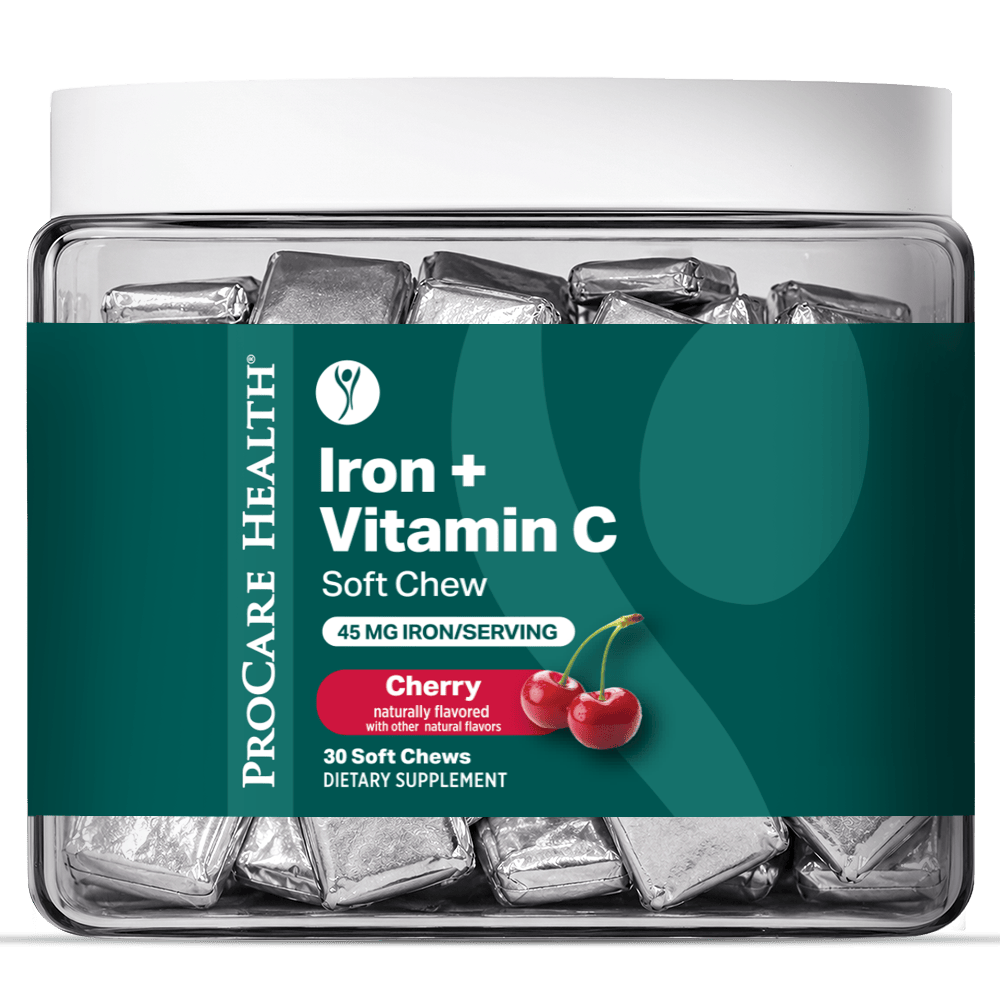
Some people prefer chewable or soft chew vitamins because they feel gentler early on or are easier to remember.
Others prefer coated tablets or capsules once swallowing feels more comfortable. There is no “best” form, only the one you are most likely to take consistently.
For those who prefer a chew format, options like Bariatric Multivitamin Soft Chew can support an easier daily habit. Others may prefer coated tablets, such as Multivitamin 45mg Iron.
People who have had DS or SADI procedures often need formulas designed specifically for those surgeries. We offer options such as DS/SADI Core Multivitamin and DS/SADI Core Multivitamin Dye-Free Chewable.
Foods and Drinks to Avoid, Especially Early On
Avoiding certain foods early on is about protecting comfort and making room for nutrition, not about restriction or fear.
Many bariatric programs suggest limiting:
- High-sugar foods and drinks, which can crowd out protein and may trigger symptoms such as nausea, sweating, shakiness, or rapid heart rate in some people
- Carbonated beverages and alcohol, which can cause pressure, bloating, or irritation, may be discouraged until healing is well established
- Ultra-processed “slider foods”, such as chips or sweets, which pass through quickly without creating fullness
As healing continues, guidance often changes. These recommendations should always be adjusted with your bariatric team based on how your body responds.

Sample Bariatric Meal Plans by Stage
These examples show how meals are commonly structured at each stage of a bariatric diet. They are meant to illustrate food textures, protein focus, and pacing as healing progresses.
They are not intended to replace your program's instructions or your registered dietitian's guidance.
Full Liquids
During the full liquid stage, meals are focused on hydration and protein using smooth, drinkable options.
Portions are small, and intake is spread throughout the day rather than consumed all at once.
- Protein shake, sipped slowly over time
- Sugar-free fluids between protein servings
- A second protein-focused liquid later in the day
Swaps may include lactose-free options, plant-based shakes approved by your registered dietitian, or budget-friendly protein powders mixed at home.
Puréed Foods
The puréed stage introduces thicker textures while keeping foods completely smooth. Meals should feel easy to swallow and should not require chewing.
- Puréed eggs or blended cottage cheese
- Blended soup with a smooth, even texture
- Puréed beans or lentils when they can be eaten without pressure or nausea
Soft Foods
Soft foods add gentle texture and require careful chewing. Foods at this stage should break apart easily with a fork and feel comfortable when eaten slowly.
- Scrambled eggs or soft, flaky fish
- Slow-cooked shredded protein with soft vegetables
- Yogurt or cottage cheese
Regular Bariatric Pattern
Once regular textures are allowed, meals typically follow a simple, repeatable structure. Protein is eaten first, followed by vegetables or other nutrient-dense foods if there is room.
- Greek yogurt with fruit
- Protein bowl with vegetables
- Lean protein-based dinner with produce

Frequently Asked Questions
How Long Do the Bariatric Diet Stages Last?
Many people reach regular food textures within six to eight weeks, but the timeline depends on healing, procedure type, and individual response.
Are Coffee and Carbonated Drinks Allowed?
Guidance varies by bariatric program. Some allow coffee earlier than others, and many limit carbonation for comfort reasons. Always follow your team's instructions.
Are Vitamins Needed Forever?
Most bariatric programs recommend lifelong vitamin and mineral supplementation with ongoing monitoring and adjustment as needed.
Conclusion
A bariatric diet is most effective when it feels structured and realistic.
By following your care team's guidance, prioritizing protein and hydration, and building a simple vitamin routine, you create a foundation that supports long-term nutrition and quality of life.
At ProCare Health, we focus on clinically informed formulas and once-daily simplicity. Whether you are rebuilding nutrition after surgery, using GLP-1 medications, or supporting people who have undergone metabolic and bariatric surgery in a clinical setting, our goal is to make daily nutrition feel easier.
If you are exploring options, our collections of bariatric multivitamins and bariatric calcium supplements are designed to fit real routines and real lives, always in partnership with your healthcare team.
Ready to learn more about bariatric and metabolic health nutrition? Check out these topics: